If you’ve ever spent time in roles that involve handling sharp tools, processing materials, or working in industrial settings—from construction sites and metal fabrication shops to food processing lines and woodworking garages—you’ve likely heard the term “cut-resistant workwear” thrown around. But what exactly is it? Is it just regular work clothes with a extra-thick layer sewn in, or is it a specialized piece of safety gear engineered to stop serious, career-altering injuries? As a safety workwear supplier who’s been in this space for over a decade, I’ve talked to hundreds of workers, site managers, and EHS (Environment, Health, and Safety) teams who all have the same basic question: does this stuff actually work, or is it just another overhyped industry trend? Safety Workwear
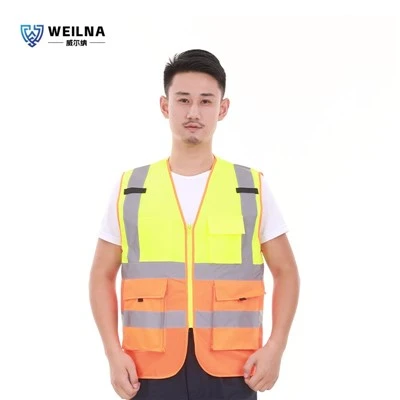
Let’s start with the most important part: what defines cut-resistant workwear, at its core. It’s not one single fabric, or one single construction, but a category of protective apparel designed to reduce or eliminate the risk of lacerations, cuts, and punctures from sharp objects like blades, metal sheets, glass, or cutting tools. What most people don’t realize is that not all cuts are the same—there’s a big difference between a minor nick from a utility knife and a deep, traumatic cut from a carbide-tipped saw, and cut-resistant workwear is built to handle specific levels of that force. That’s where the science comes in, and why it’s so much more advanced than just “thick cloth.”
To get technical (but not boring), cut resistance in workwear is measured using standardized testing systems around the world, most notably the American Society for Testing and Materials (ASTM) F1790 and the International Organization for Standardization (ISO) 13997. These tests use a rotating blade or a weighted cutting tool that’s dragged across the fabric or garment at a specific force, and they measure how much force is required to cut through the material. The results are given in units of “Newtons of cut resistance,” and that’s the key number to look for when comparing products. For context, a basic cotton work shirt might have a cut resistance of less than 10 Newtons, which means a sharp kitchen knife or utility knife could slice right through it with ease. A high-level cut-resistant work pant, by contrast, might have a rating of 50 Newtons or more, meaning it would take far more force from a sharp blade to make contact with the skin underneath.
What’s inside these fabrics is where the real innovation lives, too. For years, the standard cut-resistant material was Kevlar, the aramid fiber famous for bulletproof vests, but modern manufacturers have a whole toolkit of high-performance fibers that work differently depending on the use case. Some of the most common fibers you’ll see in cut-resistant workwear are high-molecular-weight polyethylene (HMPE), which is lighter than Kevlar and has incredible strength-to-weight ratio—so a garment made with HMPE won’t weigh you down on an 12-hour shift. Then there’s steel, but not the thick, heavy metal you might think of: many work gloves and sleeves use thin, interwoven stainless steel wires that are flexible enough to let you grip tools easily, but tough enough to stop a chef’s knife or a sheet metal scissor. For softer applications, like food processing gloves, you might see Dyneema, another type of polyethylene that’s food-safe and resists stains, which is perfect for workers handling raw meat or produce where sharp slicers are a daily hazard.
A common misconception I hear all the time is that cut-resistant workwear is too bulky or restrictive to be useful. I remember a conversation two years ago with a 30-year veteran metal fabricator named Joe, who told me, “I tried a pair of cut-resistant pants once, and I couldn’t bend over to pick up a bolt—they felt like I was wearing a board.” That’s a fair complaint about some older, outdated products, but modern designs have solved that problem by combining cut-resistant fibers with stretch panels, articulated knees, and tapered fits that move with the body. A good pair of cut-resistant work pants for a welder, for example, will have reinforced thigh and knee areas made with high-cut-resistance fabric, but add spandex panels along the sides and back that let you crouch, kneel, or climb ladders without feeling constrained. For gloves, the same is true: a cut-resistant glove for a line cook will have a flexible, breathable fabric on the palm and fingers that still lets you flip burgers or grip a knife, while the top of the hand has extra cut protection.
It’s also important to note that cut-resistant workwear isn’t a one-size-fits-all solution. The right cut resistance level depends entirely on the job you’re doing, and using a higher rating than you need doesn’t always make sense. For example, a office worker handling paper might never need cut-resistant gear, so using a 30-Newton pant would be unnecessary and more expensive. But a worker who operates a band saw or works with sharp glass should never use a basic work shirt—they need at least 40 to 50 Newtons of cut resistance to protect against the tools they use every day. We’ve seen too many companies and workers make the mistake of buying cheap, unrated “cut-resistant” gear from big box stores, only to find it doesn’t hold up after a few months of use. Those cheap products often use low-quality fibers that break down quickly with washing or wear, so by the end of the season, their cut resistance is half of what it was when they bought it. That’s why it’s critical to look for garments that are third-party tested and certified to those ASTM or ISO standards—no exceptions.
Another thing that makes cut-resistant workwear different from regular workwear is how it’s cared for. Even the best high-performance fibers will lose their cut resistance if you don’t wash and maintain them properly. For example, Kevlar and HMPE fibers can degrade if they’re exposed to harsh chemicals, bleach, or high heat in a dryer. That means you can’t just throw your cut-resistant pants in a industrial dryer on high heat like you would a regular work shirt—most need to be line dried or tumble dried on low heat. Washing them with regular laundry detergent is fine, but avoid bleach or fabric softeners, which can break down the fibers over time. We always include a care label with every cut-resistant garment we sell, and we make a point to train our clients on how to extend the life of their gear, because a well-cared-for pair of pants can last two or three times longer than a poorly cared-for one.
Let’s talk about real-world impact, too, because at the end of the day, this isn’t just about fabric science—it’s about keeping people safe. According to the U.S. Bureau of Labor Statistics, there were over 25,000 laceration and puncture injuries in private industry in 2022, with an average cost of over $30,000 per incident in medical bills, lost wages, and workers’ comp. That’s a huge number, and many of these injuries could be prevented with properly fitted, certified cut-resistant workwear. I worked with a construction company in the Midwest last year that had three workers get cut on rebar and metal sheets in a six-month period, costing them over $100,000 in total. After they switched to our certified cut-resistant coveralls for their ironworkers, they didn’t have a single cut-related injury in the next 12 months. That’s the kind of impact that makes this work worth doing.
Of course, cut-resistant workwear isn’t perfect, and it has limitations. It won’t stop every possible cut—for example, a very sharp blade moving at extremely high speed, like a circular saw blade, can still penetrate even high-rated cut-resistant gear, which is why workers should also use proper tool guards and follow safety protocols. But it adds an extra layer of protection that could mean the difference between a minor scrape and a permanent disability. For workers in high-risk roles, that extra layer is non-negotiable.
So, to circle back to the original question: what is cut-resistant workwear? It’s not just fancy fabric—it’s a specialized, tested, and engineered piece of safety gear designed to protect workers from one of the most common and dangerous injuries in industrial and blue-collar roles. It uses high-performance fibers, is rated by standardized tests, and is tailored to fit the specific needs of different jobs, all while being durable enough to stand up to long hours and tough working conditions.
If you’re a site manager, EHS coordinator, or a worker looking to upgrade your safety gear, don’t settle for unrated, cheap alternatives. Look for products that are certified to ASTM or ISO standards, fit properly for your job, and are made by a reputable supplier that stands behind their gear. We’ve helped thousands of clients across industries—from food processing and manufacturing to construction and aviation—find the right cut-resistant workwear for their teams, and we know that investing in quality safety gear isn’t just a compliance requirement, it’s investing in your most valuable asset: your people.

If you’re looking to source certified cut-resistant workwear for your team, or have questions about which rating and style is right for your specific role, we’d be happy to connect you to our safety specialists to walk through your needs. We don’t just sell workwear—we help teams build safer work environments, one garment at a time.
Cut Resistant Gloves References
ASTM F1790, Standard Test Method for Measuring Cut Resistance of Materials Used in Protective Clothing, American Society for Testing and Materials, 2023
ISO 13997:2019, Protective clothing – Mechanical properties – Determination of resistance to cutting by sharp objects, International Organization for Standardization, 2019
U.S. Bureau of Labor Statistics, Nonfatal Occupational Injuries and Illnesses Requiring Days Away From Work, 2022
Occupational Safety and Health Administration (OSHA), Laceration and Puncture Injury Prevention Guidelines, 2021
Weierna Security Technology (Shandong) Co., Ltd.
With abundant experience, we are one of the most professional safety workwear manufacturers and suppliers in China. Please feel free to wholesale bulk top-quality safety workwear made in China here from our factory. We also accept customized orders.
Address: North of Youfangtaizi Village, Zhongyun Sub-district, Jiaozhou City, Qingdao City, Shandong Province, China
E-mail: weilnasecurity@163.com
WebSite: https://www.weilnasecurity.com/
