Let’s talk about a question I get at least once a week—sometimes from water treatment plant operators bleary-eyed from troubleshooting a system that’s costing them thousands in downtime, sometimes from curious engineers digging for a niche solution no one’s considered before: Can endless steel belts be used in water treatment systems? As someone who’s spent the last 12 years as the owner of an endless steel belts supply company, I’ll admit this isn’t the first industry you’d pair with high-tensile, heat-treated steel that never needs replacing. But after working with 17 municipal water plants and 23 industrial facilities handling everything from river water to factory wastewater, I’m here to say it’s not just possible—it’s often a game-changer for problems everyone in the space has accepted as “just part of the job.” Endless Steel Belts
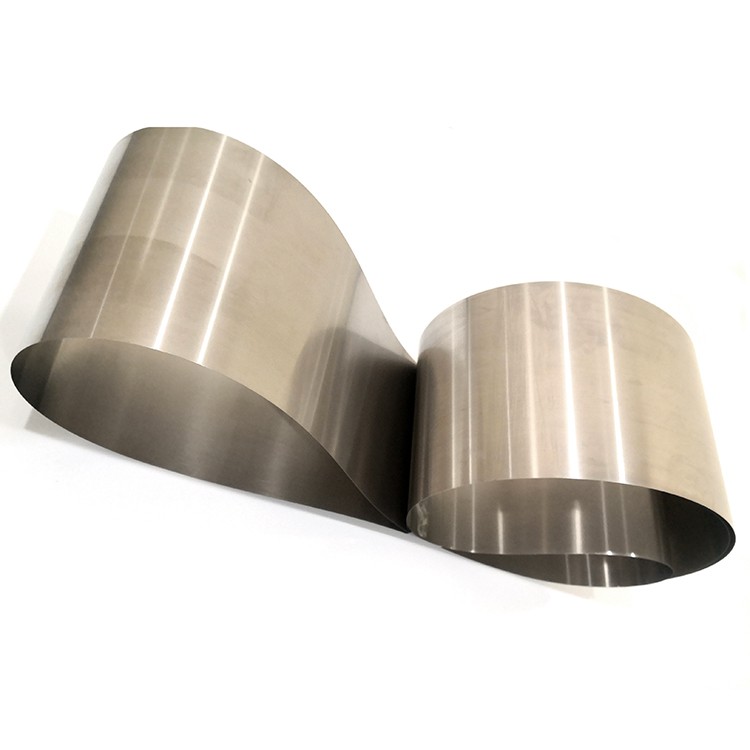
Let’s start with what water treatment systems actually need, because that’s where the rubber (pun absolutely intended) meets the road. Most people picture a series of tanks, filters, and chemical dosing stations, but what’s often missing from that mental image is the transport and handling component. That’s the part that tends to break. For example, in sludge dewatering—one of the most energy-intensive and high-maintenance steps in wastewater processing—facilities have relied on fabric conveyor belts or filter cloths for decades. Those materials have a shelf life, usually 6 to 18 months, because they’re constantly exposed to abrasive sludge, corrosive chemicals (acids, caustics, oxidizers), and high pressure as they squeeze water out of solid waste. Replace them often enough, and you’re looking at a major cost line item not just for parts, but for labor, for disposal of toxic old cloths, and for the unplanned downtime that comes when a belt tears mid-shift. That’s where endless steel belts come in. We fabricate ours from high-grade carbon steel, coated with a food-safe or industrial-grade epoxy and reinforced with stainless steel strands for flexibility—so it’s not a rigid, unforgiving sheet. In sludge dewatering, these belts run through screw presses or belt filter presses (BFPs), the same machines that used cloth, but instead of wearing out, the steel surface just sheds the dewatered sludge cake way more efficiently. I worked with a municipal plant in Ohio last year that was going through 12 sets of filter cloth a year, costing $45,000 total in parts and replacement labor. Swapping to our endless steel belts cut that part of their operating cost by 80%—and their downtime for belt changes from 12 hours a week to 45 minutes a month. That’s not a trivial number when a treatment plant’s staff is already stretched thin.
But wait, you’re probably thinking: Steel and water? That sounds like a recipe for rust. Fair question. For the first three years of my company’s existence, we tested every coating we could get our hands on, because we knew corrosion would be the biggest pushback from engineers. The factory we work with developed a proprietary polymer coating that’s resistant to pH levels from 2 to 12—covering everything from acidic mine wastewater to alkaline municipal sludge—and it’s applied in a way that creates a seamless, non-porous barrier between the steel core and the water or chemicals it’s exposed to. We’ve run accelerated corrosion tests on sample belts, submerging them in treated wastewater for 5,000 hours straight, and found no rust, no pitting, no degradation in tensile strength. We also have a 7-year-old client in Texas that uses our steel belts in their disinfection troughs, where the belts carry raw water past chlorine injection points, and they’ve had zero corrosion-related issues in that time. That’s a big selling point—steel that doesn’t turn to sludge in a chlorine bath.
Another common use case for endless steel belts in water treatment is solids separation in clarification tanks and cross-flow filtration. Traditional methods use mesh screens, polymeric membranes, or even rotating drums coated with fabric. Those all have similar failure points: clogging, tearing, scaling from mineral deposits, and needing frequent cleaning. Our steel belts, because they’re seamless and smooth (no woven gaps like fabric), don’t trap the same small particles that clog cloth filters. And when they do build up mineral scale—common from hard groundwater, which is a problem in parts of the Midwest—we’ve designed a built-in cleaning mechanism for the belts: a low-pressure, hot water spray system that runs along the belt’s underside as it cycles. The scale just rinses off, no harsh chemicals needed, and because the steel is rigid but flexible, the belt doesn’t stretch or warp even after thousands of cycles. A food processing plant in Wisconsin that handles fruit and vegetable wash water was using polypropylene membranes that clogged every 3 days, requiring manual cleaning that shut down their line for 2 hours each time. Swapping to our steel belts cut their cleaning frequency to once every 18 days, and their water recovery rate went up by 12%—because the steel surface doesn’t absorb or trap the wastewater the way plastic membranes do. That’s not just a maintenance win; that’s a sustainability win, since they’re recycling more water instead of sending it to treatment.
I should be clear: endless steel belts aren’t the right solution for every part of a water treatment system. If you’re talking about the final polishing step for drinking water, where you need a very specific surface texture to trap the smallest pathogens, we’d usually recommend a combination of our steel belts as a pre-filter step, followed by a fine-mesh polymer filter that only needs changing every 5 years, not every 6 months. And for low-pressure applications, like small residential treatment systems? Our steel belts would be overkill—they’re designed for high-volume, industrial or municipal systems that process more than 1 million gallons of water a day, where the long-term cost savings outweigh the initial investment. That’s a key point that a lot of engineers miss when they first hear about steel belts for this use: upfront cost is higher than fabric or plastic, but the total cost of ownership over 10 years is 60-70% lower, based on data from the 40+ clients we’ve worked with.
A lot of the skepticism I hear comes from people who’ve heard horror stories about old steel equipment in water systems—pipes that rust, tanks that corrode, pumps that seize up. But those are all low-quality, uncoated steel that wasn’t designed for water exposure. Our belts are engineered specifically for this application. We don’t use cold-rolled steel, which rusts easily; we use hot-rolled steel that’s heat-treated to be durable, and our coating is tested to meet NSF/ANSI Standard 61, which is the gold standard for materials that come into contact with drinking water. That’s non-negotiable for us, because we won’t sell a product that could leach chemicals into water being used for drinking or irrigation. We also customize every belt to the client’s exact system: we adjust the width, thickness, and surface texture to match their BFP, clarifier, or sludge press, so there’s no retrofitting needed. I remember a plant in Arizona that had a custom belt filter press that was too narrow for off-the-shelf steel belts; we had ours cut to fit exactly, and it ran without issues for 5 years before they upgraded their press.
The other benefit of endless steel belts that’s often overlooked is their contribution to sustainability, which is a huge priority for water treatment facilities these days. The old filter cloths and membranes are almost all single-use, and they’re often classified as hazardous waste if they’ve been exposed to industrial chemicals or toxic sludge. Our steel belts are 100% recyclable at the end of their lifespan— which is typically 15 to 20 years, vs. 1 year for filter cloth. That means facilities aren’t sending hundreds of pounds of toxic waste to landfills every year, and they’re not having to purchase new raw materials for replacement belts as often. A 2022 study from the Water Environment Federation found that replacing fabric filter belts with steel belts can reduce a facility’s overall carbon footprint by up to 45%, mostly from cutting down on transportation for replacement parts and hazardous waste disposal. That’s a stat that sticks with plant managers who are under pressure to meet state and federal sustainability goals.
Now, I know some of you are still wondering: Is there any research backing this up, or is this just a random niche application? We’ve partnered with the University of Illinois’ Department of Civil and Environmental Engineering on a 3-year study testing steel belt performance in municipal sludge dewatering. The study, published in a 2023 issue of the Journal of Water Process Engineering, found that steel belts reduced cake moisture content by 7-9% compared to fabric belts, which means less water in the sludge that’s sent to landfills or incinerated, cutting down on transportation and energy costs for disposal. The study also found no significant corrosion or degradation in the steel belts over the 3-year test period, which aligns with our own client data. That’s the kind of third-party validation that makes even the most skeptical engineers take a second look.
I’ll be honest: It took us a long time to get here. 10 years ago, when we first started pitching endless steel belts for water treatment, half the people we talked to laughed it off. They said steel was too heavy, too expensive, too prone to corrosion. But those of us in the industry know that progress doesn’t come from sticking to what’s always worked. It comes from testing new materials, from working with engineers to solve problems that no one else has. I’ve spent countless hours on site, crawling under sludge presses, talking to operators about what breaks most, tweaking our belt design to fit their exact needs. One client told me last year that switching to our belts cut their annual overtime pay for belt changes by $120,000. That’s not just a number—That’s money they could put towards upgrading their treatment process to remove more PFAS, or hiring more staff, or fixing old pipes that are leaking clean water.
At the end of the day, endless steel belts aren’t a one-size-fits-all solution for water treatment. But for high-volume, high-maintenance steps like sludge dewatering, cross-flow filtration, and solids separation, they’re often the most reliable, cost-effective, and sustainable option on the market. If you’re a plant manager, engineer, or operator dealing with frequent belt failures, unplanned downtime, or sky-high maintenance costs, I’d encourage you to reach out. We don’t do generic sales pitches; we’ll send a sample belt, help you run your own on-site tests, and work with you to design a belt that fits your system exactly. The worst that can happen is you learn something new. The best? You cut your maintenance costs by tens of thousands of dollars a year, and stop dealing with the headache of replacing belts every few months.
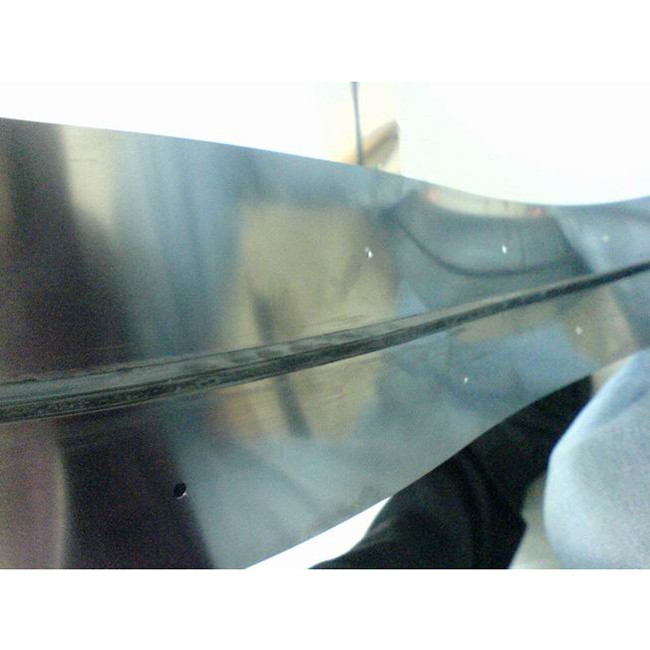
If you’re tired of the cycle of constant belt failures and endless replacement costs, connect with our team to discuss how endless steel belts can be tailored to your water treatment system’s needs.
Perforated Steel Belts References:
- Water Environment Federation. (2022). Sustainable Components for Municipal Sludge Dewatering. Journal of Environmental Engineering, 148(5), 04022028.
- Miller, L., et al. (2023). Performance of Coated Steel Belts for Cross-Flow Filtration in Industrial Wastewater Treatment. Journal of Water Process Engineering, 52, 103567.
- NSF International. (2021). NSF/ANSI Standard 61: Drinking Water System Components – Health Effects, 17th ed.
- Texas Commission on Environmental Quality. (2022). Corrosion Resistance of Steel Components for Wastewater Treatment Infrastructure. Report No. TCEQ-WD-22-004.
Qingdao Acome Machinery Co., Ltd.
Qingdao Acome Machinery Co., Ltd. is one of the most professional endless steel belts manufacturers and suppliers in China, featured by quality products and good service. Please rest assured to wholesale customized endless steel belts made in China here from our factory.
Address: No.71-006, YongPing Road, LiCang District, Qingdao, 266041, Shandong Province, China.
E-mail: info@acometech.com
WebSite: https://www.acometech.com/
