If you’ve ever driven along a coastal town, you’ve probably spotted weathered pipelines, rusted out structures, and the kind of infrastructure that makes you think, “Wait—how does that hold up near the ocean?” I’m Jake, and I’ve spent the last 8 years selling, installing, and troubleshooting vacuum assisted pump stations (VAPS) for a living. People ask me all the time: Can these things even work in coastal areas? The short answer is yes—if you build and maintain them right. Today, I’m breaking down what actually happens when you put a vacuum pump station near saltwater, the mistakes most people make, and why coastal communities don’t have to write off VAPS entirely. Vacuum Assisted Pump Stations
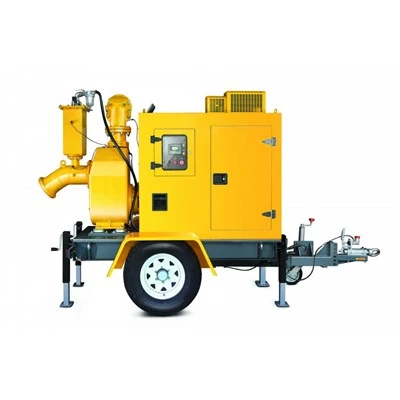
First, let’s get something straight: coastal environments aren’t just “a little damp.” Salt air, salt spray, high humidity, and the occasional storm surge aren’t just minor annoyances for industrial gear—they’re corrosive, abrasive, and outright destructive if you don’t plan for them. I once did a job in a small Florida beach town where a competitor installed a standard VAPS three years prior without any corrosion-resistant parts. By year two, the pump housing had pitted so bad from salt exposure it started leaking vacuum, and the whole system could only pull 60% of its rated suction. That town almost had to tear the whole thing out and start over—cost them way more than if they’d done it right the first time.
So how do you adapt a vacuum pump station for coastal use? Let’s start with the big-ticket parts: materials. A standard VAPS might use cast iron for pump casings, galvanized steel for pipes, and regular rubber seals. In a coastal area, none of those cut it. Cast iron will rust through in 18 to 24 months if it’s exposed to salt air— I’ve seen it. Galvanized steel’s zinc coating breaks down in salt water too, leaving the raw steel underneath to corrode fast. For coastal VAPS, we swap out those parts for 316 stainless steel. That’s the same stuff they use in offshore oil rigs and marine-grade boat fittings. It doesn’t rust, it doesn’t pit from salt, and it can handle being submerged in storm surge for hours at a time. We also use EPDM rubber seals instead of regular neoprene—neoprene degrades in salt spray, but EPDM holds up for 10+ years without cracking.
Next up: vacuum integrity. That’s non-negotiable for any pump station, but especially coastal ones. If your vacuum line has a tiny pinhole leak, salt spray will get in, mix with moisture, and turn into brine that eats away at the pipes from the inside out. We always pressure-test every line at 2x its operating pressure before we even turn the system on, and we add a 10-micron filter to the air intake of the pump to catch salt particles before they get into the vacuum system. Last year, a client in South Carolina tried skipping the filter—six months later, their pump seized up because salt particles had ground the impeller to a halt. We replaced the impeller for them, but it was a $12k repair they could’ve avoided.
Wait, what about flood zones? A lot of coastal areas are FEMA-designated flood zones, so if your pump station is below the base flood elevation, it’s gonna get submerged during a storm. Standard VAPS are designed to sit above ground, with the pump in a small concrete pad. But for flood zones, we install the pump skid on a reinforced concrete platform that’s a foot above the base flood elevation, and we add a submersible backup pump just in case the main system gets overwhelmed. We also install a backup power generator—no sense having a high-quality pump if the grid goes down during a hurricane. I learned that lesson the hard way in a Gulf Coast town in 2020: their generator was only rated for 48 hours, and by day three, the pumps were running on battery power, which isn’t enough for a system that serves 500 homes. Now, all our coastal installs get a generator with a 72-hour runtime, and we offer a solar backup add-on too, which is great for places with tons of sun and frequent outages.
Now, let’s talk about why someone would even use a VAPS in a coastal area, instead of a standard gravity sewer system, which is what most small towns use. Gravity sewers work fine for flat areas, but coastal towns are often low-lying—like, 1 to 3 feet above sea level fine. For gravity sewers, you need a downward slope of at least 2% to keep sewage flowing, but in a coastal area, the ground is so flat it’s almost impossible to get that slope. That means you end up with standing sewage in the pipes, which smells, breeds bacteria, and can even back up into homes during high tide. Vacuum pump stations don’t need slope—they use low-pressure vacuum to pull sewage through small, shallow pipes, so you can install them anywhere, even on level ground. That’s a game-changer for coastal towns that can’t excavate 10 feet of soil to get a gravity sewer slope.
I had a client in a small Alabama coastal town last year that was dealing with constant sewer backups during high tide. Their gravity sewer system kept getting clogged with sand and debris, and every storm would flood their main line. We installed a VAPS with 316 stainless steel pipes, corrosion-resistant impellers, and a built-in sand separator. Now, their system pulls sewage at 20 inches of vacuum, and the sand separator catches 99% of the sediment before it gets to the pump. No more backups, no more smelly lines, and it’s only used 15% more energy than their old gravity system—way cheaper than the $500k repair they were facing for replacing their entire sewer line.
Wait, but are there any downsides? I won’t lie—coastal VAPS cost a bit more upfront. 316 stainless steel is more expensive than cast iron, and the flood-safe platforms and generators add a few thousand dollars. But when you do the math, it’s worth it. A standard VAPS in a coastal area will need major repairs every 2 to 3 years, but a properly adapted coastal VAPS will last 20+ years with minimal maintenance. I had a client in a Maine island town that’s had their VAPS for 14 years—they’ve only replaced one seal, and that was because a kid accidentally dropped a ladder on it, not salt exposure. That’s the kind of longevity that makes the upfront cost worth it.
Another thing people miss: regular maintenance can make or break a coastal VAPS. A lot of towns treat pump stations like set-it-and-forget-it, but coastal ones need quarterly checks, not annual. We tell our coastal clients to inspect the air filters every 3 months to make sure they’re not clogged with salt, check the pipe connections for leaks, and spray down the exterior of the pump with fresh water after every major storm to wash off salt spray. It takes 10 minutes, and it saves you from a $10k repair later. Last year, a client in Florida skipped their quarterly check—their filter got clogged with salt, the pump overheated, and they had to replace the entire motor. That’s a mistake we work hard to help our clients avoid.
Is there a case where a vacuum pump station isn’t a good fit for coastal areas? Sure—if your town is on a rocky coast with tons of steep hills, gravity sewers might still work, and they’re cheaper. If you’re in a super remote area with no access to electricity, a VAPS might not be the right call, since they need power to run. But for 90% of the coastal towns I work with, especially the low-lying ones dealing with gravity sewer issues, VAPS are not just a viable option—they’re the best option out there.
I’ve been in this business long enough to see a lot of bad advice get thrown around about coastal infrastructure. People tell you “saltwater will destroy anything,” but that’s only if you don’t plan for it. We’ve installed VAPS in towns hit by hurricanes, in areas with constant salt spray, in flood zones that get submerged every other year, and they still work. The key is using the right materials, building for the environment, and sticking to a solid maintenance schedule.
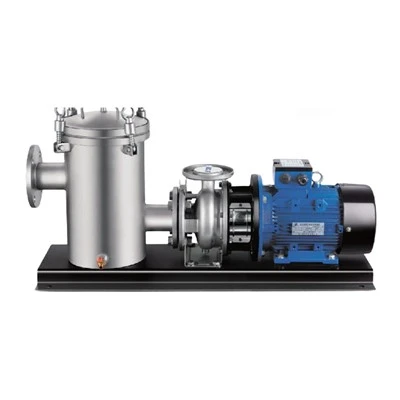
At the end of the day, coastal communities deserve infrastructure that works as hard as they do. If you’re a town manager, a utility worker, or anyone dealing with sewer issues in a coastal area, don’t write off VAPS because someone told you they can’t handle saltwater. We build our vacuum assisted pump stations to last, and we work with you every step of the way to make sure your system is adapted to your specific coastal conditions.
Vacuum Assisted Pump Stations If you’re tired of dealing with constant sewer backups, rusted infrastructure, and storm-related repairs in your coastal community, let’s chat. We can walk through your site, figure out the right setup for your needs, and give you a transparent quote with no hidden fees. Don’t let salt and storms derail your sewer system—let’s make something that works for the long haul.
References
- National Association of Clean Water Agencies. Coastal Wastewater Infrastructure: Corrosion Mitigation and Adaptation Strategies. 2022.
- American Society of Civil Engineers. Vacuum Pump Stations for Low-Grade and Coastal Topographies. 2021.
- International Code Council. Flood-Resistant Infrastructure Standards for Wastewater Systems. 2020.
- Marine Engineering Society. Corrosion Performance of 316 Stainless Steel in Marine and Coastal Environments. 2023.
Hangzhou Nanfang Ouke Pump Industry Co., Ltd.
As one of the most experienced vacuum assisted pump stations manufacturers in China, we have world-leading production equipment and strong manufacturing capabilities. Please feel free to wholesale bulk customized vacuum assisted pump stations from our factory. Welcome to contact us for pricelist.
Address: No.46, Renhe Subdistrict, Yuhang District, Hangzhou City
E-mail: Gy656169@outlook.com
WebSite: https://www.oukegroup.com/
