Hey, let’s cut to the chase—if you’ve ever worked with forklifts, you know there are a million tiny parts that make the whole machine run. But today, we’re talking about one that gets slept on A LOT: the forklift contactor. As someone who runs a forklift parts supply biz, I see so of folks skip over this part until their lift dies mid-job, and that’s a headache no one needs. So let’s break this down straight, no jargon. Forklift Parts
First, what even is a forklift contactor? Let’s start super simple—you know how when you flip a light switch, it lets electricity flow from the wall to the bulb? That’s basically what a contactor does for a forklift. But forklifts run on way bigger power than your house lights—most electric forklifts are 24V, 48V, or even 80V, right? A regular relay (the tiny switch for your car’s radio) can’t handle that kind of juice. The contactor is the heavy-duty switch that controls the high-voltage power from the forklift’s battery pack to the motor that drives the lift, the hydraulic pump, and all the other big power-hungry parts. No contactor, no power going to where it needs to go—so your forklift’s just a big hunk of metal and rubber, not a working machine.
Wait, let’s make that more specific. When you turn the key, or push the “go” pedal on an electric forklift, a little low-voltage signal (like 12V) hits the contactor’s control coil. That coil creates a magnetic field, which slams a set of heavy contacts together. Those contacts are connected straight to the battery and the main motor. Bang—power flows, and off you go. If the contactor fails, that magnetic field doesn’t kick in, so the big contacts stay open. No power, no movement. That’s why a lot of the “my forklift won’t start” calls I get are just a bad contactor. Pro tip: it’s way cheaper to replace a contactor than to fix a fried motor from a bad one, so don’t sleep on checking it first.
Now, where the heck is this thing hiding? That’s the next big question, because if your lift’s dead, you can’t fix what you can’t find. Let’s split this by forklift type, because electric and internal combustion (IC) lifts totally have different setups. First, electric forklifts—those are the ones that run on batteries, no gas or diesel, right? For 9 out of 10 electric lifts, the contactor is up near the battery compartment, usually under the seat or on the side of the battery tray. Wait, why under the seat? Because that’s a central spot close to the high-voltage parts, but also easy to get to if you’re a tech, not buried under a bunch of hoses. Some bigger electric lifts (like 80V high-capacity ones) might have two contactors—one for the traction motor (the one that makes the lift move forward/back) and one for the hydraulic pump (the one that lifts the forks). You’ll usually find those side by side, right near the battery pack, not under the seat but on the frame rail next to the battery.
Now IC forklifts—those run on gas, propane, or diesel, and they have a contactor too, though it’s a little different. IC lifts don’t use a big battery for power, but they do have a starter motor and alternator, and the contactor there controls the high-current flow to the starter. Where’s that? It’s usually on the engine’s fire wall, or sometimes on the starter motor itself. Wait, yeah—some IC contactors are integrated right onto the starter, because they don’t need to handle as much voltage as electric forklift contactors. If you’ve ever popped the hood of a propane forklift and looked at the starter, that little box bolted next to it? That’s the contactor.
But hold up—don’t go digging blind. Let’s add a few quick pro tips for finding it, because some lifts hide ’em weird. First, check your operator’s manual. I know, no one reads manuals, but it’s 100% the fastest way to find the exact location—some manufacturers even mark it with a little “contactor” sticker. If you don’t have the manual, pop the battery cover (for electric) or the hood (for IC) and follow the big thick cables. Those are the high-voltage ones (they’re usually black or red, way thicker than the tiny low-voltage wires) and they plug right into the contactor. That’s your treasure map—follow the fat wires, and you’ll find it.
Now, why does this matter for a forklift parts supplier like me? Because contactors don’t last forever. They take a beating every single day—every time you turn the lift on, those contacts slam together and apart, sparking a little bit each time. Over months and years, those contacts get worn down, covered in dirt or corrosion (especially if you work in a dirty warehouse, or outdoors in snow/rain), and eventually they can’t make a good connection. That’s when you get those random issues: the lift starts sometimes, not others, or it jerks when you press the pedal, or it just won’t start at all.
I see this all the time—customers will call panicking, say their $50k forklift is dead, and after 2 minutes of troubleshooting, it’s just a $120 contactor that went bad. Way cheaper than a new motor, way faster to replace too. A lot of folks try to rig it with a regular relay, but trust me—don’t do that. Relays aren’t built for forklift voltage, they’ll burn out in a week. We only sell OEM-grade or heavy-duty aftermarket contactors that are tested for 24V, 48V, 80V—whatever your lift runs. No junk parts, no cheap garbage that’ll die mid-shift.
Wait, let’s clear up a common mix-up: a contactor vs. a relay. People think they’re the same, but nope. Relays are for low-current stuff—like turning on your lift’s lights or horn. Contactors are for high-current, high-voltage, which is exactly what forklifts need. That’s why if you replace a contactor with a relay, it’ll overheat, arc, and die fast. I get so many returns for that, so I make sure to spell that out for every customer—no relay swaps here, stick to contactors.
Another thing: some electric pallet jacks (those tiny, walk-behind lifts) have contactors too, right? They’re usually way smaller, mounted on the control unit under the handle. Same exact function—just smaller, for lower voltage (12V or 24V). So even if you’re working with a mini lift, that contactor is still the main power switch.
Now, what are the signs your contactor is about to die, not something else? Let’s list ’em, because that’s way more useful than just “it’s dead.” First, intermittent power: the lift works one minute, dies the next, no obvious reason. Second, clicking sound: when you turn the key, you hear a faint click from under the seat (for electric) instead of a solid hum. That’s the contactor’s coil trying to engage but not making the connection. Third, visible damage: if you pop the contactor’s cover, you’ll see burned contacts, corrosion, or even broken wires on the coil. Fourth, overheating: if the contactor is hot to the touch after running for a few hours, that’s a sign it’s getting worn out and needs to be replaced.
Now, where NOT to look? For electric lifts, don’t go digging through the dashboard—that’s all low-voltage stuff. The contactor’s always near the high-voltage battery cables, so follow those, not the tiny wires for the lights. For IC lifts, don’t waste time looking in the glove box or under the seats—its on the engine, not the operator’s compartment.
Here’s a quick story to drive this home: last month, a customer called me at 7 PM, panicking because their warehouse’s main forklift died right before a big shipping run. They’d already checked the battery (it was fully charged), the fuses, the wiring—everything. We walked through it: “Follow the thick red cable from the battery, it should plug into the contactor near the seat.” They got under there, saw the contactor’s contacts were burned, ordered a new one that night, and had it replaced by morning, no delay. That’s exactly why this part is so important—small, easy to miss, but makes or breaks your whole shift.
Now, if you’re in the market for a new contactor? Don’t just grab the cheapest one on Amazon. A lot of those are made for consumer equipment, not industrial forklifts, so they won’t hold up to the daily wear and tear of a warehouse. We carry contactors for all major forklift brands: Toyota, Yale, Hyster, Crown, Komatsu—you name it. We stock both traction contactors and hydraulic contactors, for electric and IC lifts, so you don’t have to wait for a special order. All of our parts are tested to meet industrial standards, so you know they’ll last.
Wait, a quick note on installation: if you’re not comfortable working with high-voltage parts, don’t mess around. Forklift batteries hold a lot of charge, even when the lift’s off. Disconnect the battery before you touch the contactor, and make sure you don’t touch the positive and negative cables together. If you’re not handy, call a tech—better safe than sorry. But replacing a contactor is super straightforward for most folks: disconnect the two thick power cables, remove the bolts holding the contactor in place, plug the new one in, bolt it down, reconnect the battery. Takes 10 minutes, max.
So to wrap this up: a forklift contactor is the heavy-duty high-voltage switch that controls power to your lift’s main parts, it’s usually near the battery (under the seat for electric, on the engine for IC), and it’s one of the most important (and most commonly failed) parts on your lift. Skip the cheap junk, check it first if your lift won’t start, and don’t ignore the warning signs—fixing it early saves you time and money.
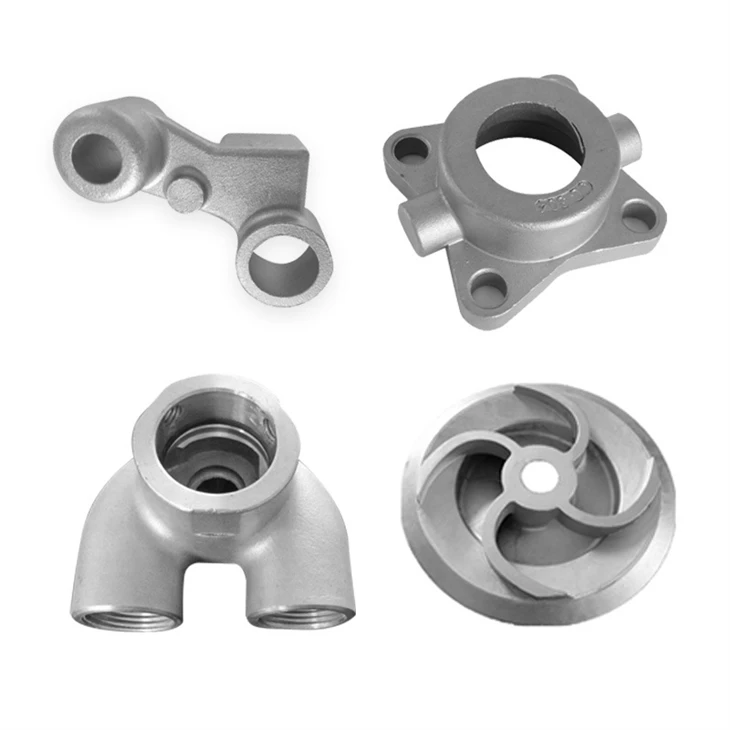
If you’re dealing with a bad contactor, or you just need to replace any other forklift parts (batteries, motors, forks, whatever), hit me up to chat. We’ve got the parts you need, at a fair price, and we know forklifts inside and out—so we can help you get the right part the first time, no guesswork.
Automotive Parts References: Forklift Contactor Function and Placement, Industrial Vehicle Technology Magazine; Common Forklift Electrical Component Failures, Material Handling Industry Association; Troubleshooting Electric Forklift Starting Issues, OSHA Workplace Safety Guidelines for Industrial Equipment.
Taizhou Liuhuan Machinery Co., Ltd.
As one of the most professional forklift parts manufacturers and suppliers in China, we’re featured by quality products and good service. Please rest assured to buy customized forklift parts made in China here from our factory. For quotation, contact us now.
Address: Xinyuan Industrial Zone, Damaiyu Street, Yuhuan City, Zhejiang Province,China
E-mail: tzlhmachining@gmail.com
WebSite: https://www.tzlhmachining.com/
