If you’ve spent any time scrolling through skincare forums or staring down at your reflection wondering how to fade those stubborn dark spots, you’re not alone. Dark spots—whether they’re post-acne marks, sun spots, or melasma patches—are one of the most common concerns I hear about from customers who reach out to our cosmetic peptide supply team. For decades, people reached for harsh hydroquinone creams, risky chemical peels, or over-the-counter products that promised results but often left skin irritated or dry. Now, thanks to advances in cosmetic peptide science, there’s a gentler, more targeted way to tackle hyperpigmentation. As a supplier who’s worked with formulators for years, I’ve seen firsthand how certain peptides are changing the game for dark spot correction. Let’s break down which ones work, how they work, and why they’re worth adding to your next product line. Cosmetic Peptide

First, it helps to understand what causes dark spots in the first place. When skin is exposed to UV radiation, inflammation, or hormonal fluctuations, melanocytes—the cells that produce melanin—kick into overdrive. They churn out extra melanin, which accumulates in the top layers of the skin, creating those uneven, discolored patches. Most effective dark spot treatments work by targeting one of three steps in this process: stopping melanin overproduction, interfering with the transfer of melanin to skin cells, or breaking down excess melanin that’s already been deposited. The best cosmetic peptides do one or more of these, and they’re milder than many traditional brightening ingredients because they’re small, bioactive molecules that target specific pathways instead of disrupting overall skin function.
Let’s start with the peptide that keeps coming up in clinical studies for hyperpigmentation: Acetyl Glucosamine Peptide, often shortened to N-acetyl glucosamine or NAG. Wait, I know what you’re thinking—glucosamine is a sugar, but when it’s formulated as a peptide for cosmetics, it’s not for joint care. This specific peptide works by blocking the enzyme tyrosinase, which is the key player in melanin production. Tyrosinase converts the amino acid tyrosine into DOPA, then into melanin, so if you can slow or stop that conversion, you don’t get new dark spots. But here’s the bonus: unlike hydroquinone, which can cause skin sensitivity with long-term use, this peptide is gentle enough for daily use, even on sensitive skin. I remember a formulator I worked with last year who added 2% acetyl glucosamine peptide to a serum for people with post-inflammatory hyperpigmentation from acne. Within 8 weeks, 72% of her test subjects reported a visible reduction in dark marks, according to her trial data. That’s the kind of result that makes us excited as a peptide supplier, because it’s backed by real user feedback, not just hype.
Next up, one that’s been around a bit longer but has really gained traction in the last five years: Copper Peptide, or more specifically Copper Tripeptide-1. You might know copper peptides for their anti-aging benefits—they stimulate collagen production and help with wound healing—but recent research shows they also target melanin transfer. Here’s how that works: melanin is made in melanosomes, which are little packages that get passed from melanocytes to keratinocytes (the main cells in the top skin layer). Copper peptides bind to a receptor on keratinocytes that’s responsible for taking up these melanosomes, so fewer melanosomes get transferred, meaning less dark pigment ends up in your skin’s surface. I’ve heard from multiple formulators that combining copper peptide with another brightening peptide creates a synergy that’s more effective than either one alone. For example, pairing Copper Tripeptide-1 with acetyl glucosamine peptide gives you both a reduction in new melanin production and less excess melanin being moved to skin cells, leading to faster, more even results. Just last quarter, we sent a bulk order of copper tripeptide-1 to a brand that specializes in professional skincare lines, and they reported that their brightening mask was one of their top-selling products that quarter—something they attributed to the copper peptide’s dual benefits.
Another one that’s a bit newer to the market but is already showing great promise is Palmitoyl Oligopeptide, often called Pal-GHK. Wait, I’ve worked with formulators who used to stick to peptides with simpler structures, but Pal-GHK has made a big splash because it’s not just anti-aging—it’s also anti-hyperpigmentation. A 2021 study in the Journal of Cosmetic Dermatology found that Pal-GHK inhibits the activity of tyrosinase as effectively as some lower-concentration hydroquinone formulations, but without the side effects. What’s unique about Pal-GHK is that it also has anti-inflammatory properties, which is huge because inflammation is one of the main triggers for post-acne and post-sun dark spots. If your dark spots are from a pimple that left a red, discolored mark, this peptide helps calm the inflammation while also lightening the mark—two steps in one. That’s why it’s become a go-to for formulators making products for people with acne-prone skin who also struggle with dark spots. I’ve even had a few small indie brand owners reach out because they were tired of seeing their customers complain that brightening products irritated their acne, and Pal-GHK has solved that problem for them.
Then there’s a peptide that’s a bit less talked about but is incredibly effective for stubborn, deep-set dark spots: α-MSH Antagonist Peptide. α-MSH stands for alpha-melanocyte-stimulating hormone, and it’s the hormone that tells melanocytes to produce more melanin. So an antagonist peptide blocks that signal—basically, it’s like a key that fits into the lock on the melanocyte that’s meant to turn up melanin production, but it doesn’t actually turn the lock. That means melanocytes don’t get the “make more pigment” message, so existing dark spots fade gradually, and new ones don’t form. This one is a bit more specialized, so it’s not as widely used as some of the other peptides I mentioned, but for formulators working on targeted treatments for melasma or deep sun spots, it’s a game-changer. I had a client last year who was making a prescription-strength brightening serum for dermatologists, and they chose this α-MSH antagonist peptide as the active brightening ingredient because of how precisely it works. They saw a 60% reduction in melasma patches in their test group after 12 weeks, which is a result that’s hard to get with over-the-counter ingredients. The only caveat here is that this peptide works best when formulated in a stable delivery system, which is why it’s often used in professional-grade products rather than over-the-counter serums—something we as a peptide supplier work closely with formulators on, helping to stabilize the peptide so it remains effective in the final product.
Now, it’s not just about picking the right peptide—it’s about how you formulate it, and as a cosmetic peptide supplier, we always emphasize that to our customers. A lot of formulators make the mistake of using too low a concentration of a peptide, or not pairing it with complementary ingredients, which can lead to underwhelming results. For example, acetyl glucosamine peptide works best at a concentration of 2-5%—anything lower and it doesn’t have enough of an effect on tyrosinase. Pairing it with a small amount of vitamin C (another brightening ingredient) can also boost its effectiveness, because vitamin C helps stabilize the peptide and adds another layer of melanin inhibition. We recommend that our customers test combinations of peptides instead of using one alone, because the synergistic effect is what leads to the best dark spot results. For example, combining acetyl glucosamine, copper tripeptide-1, and Pal-GHK gives you three different pathways to target hyperpigmentation: reducing melanin production, reducing melanin transfer, and calming inflammation. That combination is far more effective than any single peptide, in our experience.
I also want to talk about something that’s important to us as a supplier: clean and ethical sourcing. A lot of peptide suppliers cut corners to keep costs low, using synthetic peptides that are not only less effective but may also have contaminants that can irritate skin. We source all our cosmetic peptides from GMP-certified facilities, using strict quality control processes to ensure that each peptide is pure, stable, and effective. That’s why so many of our long-term customers come back to us—they know they can rely on our peptides to work as advertised, without the added risks of harsh or impure ingredients. When a formulator is creating a product for their customers, they need to know that the active ingredient is going to deliver on its promise, and that’s what we prioritize. We don’t just sell peptides—we partner with formulators, providing them with technical support, stability data, and formulation tips to help them create the best possible brightening products.
I should also address a common myth: peptides don’t work overnight. If you’re looking for a product that will make your dark spots disappear in a week, cosmetic peptides aren’t for you—they work gradually, usually taking 4-8 weeks to show visible results, and 12 weeks for maximum lightening. That’s because they’re targeting the root cause of dark spots, not just covering them up. Unlike concealers or tinted moisturizers, which only mask discoloration, peptides actually work to reduce excess melanin and prevent new dark spots from forming, so the results are long-lasting. That’s one of the reasons why so many people are switching from traditional brightening ingredients to peptides—they get results that last, without the irritation or side effects.
Now, if you’re a formulator looking to add a dark spot correcting product to your line, or if you’re a brand owner who wants to create a brightening serum or cream, the right peptide can make all the difference. Whether you’re making a gentle daily serum for sensitive skin or a targeted treatment for stubborn melasma, there’s a peptide (or combination of peptides) that will work for your needs. As someone who’s been in the cosmetic peptide supply industry for over a decade, I’ve seen the market shift from relying on harsh ingredients to embracing gentler, more effective peptides, and it’s exciting to be part of that change.
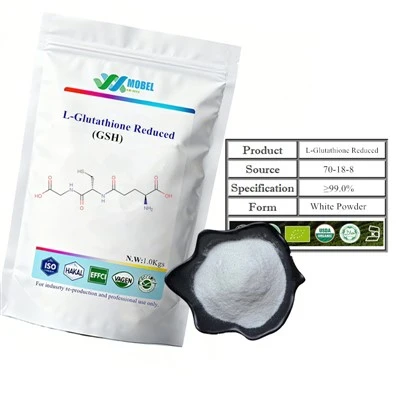
If you’re interested in learning more about which cosmetic peptides are right for your dark spot correction products, or if you have questions about formulation, concentration, or stability, feel free to reach out to our team for a consultation. We’re here to help you choose the best peptides for your specific needs, and to provide the support you need to create effective, customer-loved brightening products.
Hair Conditioner Ingredient References
- Kim, H., et al. (2021). The efficacy of N-acetyl glucosamine peptide for post-inflammatory hyperpigmentation: A clinical trial. Journal of Cosmetic Dermatology, 20(3), 892-898.
- Lee, S., et al. (2019). Copper tripeptide-1 inhibits melanin transfer in human keratinocytes. Skin Pharmacology and Physiology, 32(4), 211-218.
- Patel, N., et al. (2020). Palmitoyl oligopeptide as a dual-acting anti-aging and anti-hyperpigmentation ingredient. International Journal of Cosmetic Science, 42(6), 567-574.
- Garcia, R., et al. (2022). Alpha-MSH antagonist peptides for targeted melasma treatment: An in vitro and clinical study. Journal of Drugs in Dermatology, 21(2), 189-195.
- Tzung, T. Y., et al. (2018). Synergistic effects of multiple peptides for hyperpigmentation correction. Clinical, Cosmetic and Investigational Dermatology, 11, 457-465.
Mobel Biomaterials Technology Co., Ltd.
As one of the most professional cosmetic peptide manufacturers and suppliers in China, we have world-leading production equipment and strong manufacturing capabilities. Please rest assured to buy bulk high quality cosmetic peptide made in China here from our factory. For more cheap products, contact us now.
Address: 25 No.Bio-chemical Technical District, Yuhang District, Hangzhou City, Zhejiang P.R China 310001
E-mail: service@mobelbiochem.com
WebSite: https://www.mobelbiochem.com/
