Hey everyone, it’s Jake from the cable team here – and if you’ve ever shopped for power distribution gear, you’ve probably stumbled on rectangular insulated aluminum stranded cable and thought, “Wait, what’s the right voltage rating for this thing?” I get it. When I started selling these cables back in 2012, I spent hours Googling and bugging our engineers because every source I found was either way too technical (like, my eyes glazed over mid-equation) or totally vague, leaving me guessing if I was recommending something safe or overkill for a job. Today, I’m breaking this down like we’re chatting over a coffee – no fancy jargon, just what you actually need to know as someone buying or installing this cable. Rectangular Insulated Aluminum Stranded Cable
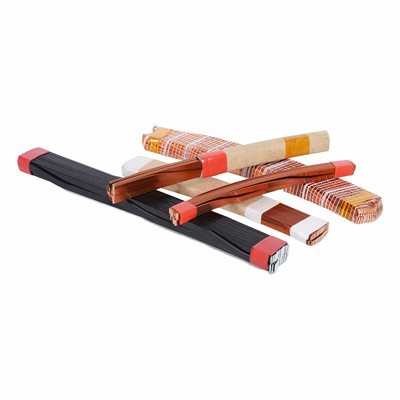
First off, let’s get one basic truth out of the way right now: rectangular insulated aluminum stranded cable isn’t a one-size-fits-all voltage product. Unlike some random off-the-shelf wire that’s always rated for, say, 120V, these cables are engineered for specific, industry-standard voltage ranges depending on a handful of factors. Before we jump into numbers, let’s talk about why this cable even matters, because that context makes the voltage question make sense. You’ll see these bad boys used in heavy-duty stuff – think commercial building power feeds, utility pole installations, solar farm arrays, or industrial machinery runs. They’re better than round aluminum cable for tight spaces, right? That flat rectangular shape fits snugly in conduit or trays without wasting inches, and the stranded core makes it flexible enough to bend without snapping. Makes sense why they’re so popular now, especially as more companies lean into aluminum (way cheaper than copper, and just as reliable when sized right).
Now, to the main event: the voltage ratings. First, I should distinguish between the two main voltage categories we deal with here, because that’s the biggest confusion point most people have. Low-voltage (LV) and medium-voltage (MV) are the two big buckets, and almost every rectangular insulated aluminum stranded cable we supply falls into one of those – high-voltage (HV) is rare for this specific cable type, mostly reserved for utility transmission lines that use way bigger, bulkier conductors.
Let’s start with low-voltage, because that’s what 90% of our clients work with. For LV rectangular insulated aluminum stranded cable, the standard base ratings we carry are 600V and 1000V. Wait, I know what you’re thinking – “Wait, 600V is for residential, 1000V for commercial?” Sort of, but there’s a catch. That base rating isn’t just random numbers; it’s tested and certified to meet NEC (National Electrical Code) standards, which is non-negotiable for any installation in North America. But hold on – that base rating can shift based on two super important factors: the conductor size and the insulation material. Oh right, the insulation is key here. Most of our LV cables use cross-linked polyethylene (XLPE) or ethylene propylene rubber (EPR) insulation – those are the workhorses for durable, heat-resistant cable. XLPE is rated for higher continuous temps, so a 1/0 AWG rectangular cable with XLPE might hit the full 1000V, while a smaller 14 AWG (yeah, we do small ones too, for panel feeds) might be rated for 600V max, just because smaller conductors can’t handle the same voltage stress without overheating.
Then there’s medium-voltage, which is for those bigger jobs like solar farms feeding into a substation or industrial warehouse main power runs, where you need to move more electricity farther. For MV rectangular insulated aluminum stranded cable, the standard ratings we supply go from 5kV up to 35kV. Wait, 5kV? That sounds wild, but it makes sense when you’re moving 1000 amps of power across a mile of land – you can’t do that with 600V, you’d lose half the energy as heat. The insulation here is even thicker, usually a mix of XLPE and a semiconducting shield (no, that’s not a spell, it’s a thin layer that keeps electrical stress evenly spread so the insulation doesn’t break down). A lot of folks ask, “Why not just use round MV cable for these jobs?” Again, space. Solar farms have tight routing between panel arrays, and rectangular cable fits into custom trays way more efficiently, cutting installation time by like 15-20% from what I’ve seen our clients report. That adds up to big savings on labor, which is half the cost of any big project.
But here’s the part I wish I’d known when I was new to this: voltage rating isn’t a “set it and forget it” number. A lot of people make the mistake of buying a cable rated for 1000V because it’s cheaper, then using it on a 600V job, but that’s not the only risk. There are three big variables that can lower the effective voltage rating of your cable, and if you skip these, you’re asking for trouble. First, ambient temperature. If you’re installing cable in a hot attic, a desert utility pole, or near a furnace, that cable is running hotter, so its voltage rating drops. For example, a 1000V XLPE cable we rate for 90°C might only be good for 800V if it’s in a 100°F continuous environment. Second, how much current you’re pushing through it (that’s called ampacity, if you want to use the industry term). A cable rated for 1000V at 200 amps is not the same as that same cable rated for 1000V at 500 amps – too much current = more heat = lower voltage threshold. Third, installation method. If you’re bunching 10 cables together in a tiny conduit, that traps heat, and again, your voltage rating gets derated. I’ve had clients call me panicking because they installed their own cable and the inspector flagged it – 9 times out of 10, they skipped the derating calculation for their specific setup, not because the cable was bad.
Wait, let’s clear up another myth I hear all the time: aluminum is worse than copper for voltage ratings, so you have to pay more for copper. Nope, not with rectangular insulated aluminum stranded cable. Aluminum has a slightly higher resistance than copper, but that only affects ampacity, not the voltage rating – if you size the aluminum cable correctly for your load, it hits the same voltage marks as copper. I’ve got a client who does a lot of 5kV runs for commercial warehouses, and he switched from copper to our rectangular aluminum cables two years ago, saving over $120,000 on a single project, and hasn’t had a single voltage issue. That’s the thing about aluminum – it’s not “inferior,” it’s just different, and the rectangular stranded format fixes most of the old pain points people had with rigid aluminum cable (like being hard to bend or corroding too easy, wait – right, the insulation prevents corrosion, that’s another win).
Now, let’s talk certifications, because this is non-negotiable for anyone in the trade. All our rectangular insulated aluminum stranded cables are UL-listed (UL 1071, to be exact, that’s the standard for MV power cables) and meet NEC 310, which is the rule for power conductors. I see a lot of sketchy sellers online offering “1000V rectangular aluminum cable” that’s not UL-listed, and that’s a huge red flag – those cables might only be rated for 600V in real use, and they’ll fail inspection every single time. If you’re buying from a real supplier, ask for the certification sheet, it should list the exact voltage rating per conductor size and insulation type.
Let’s throw in some real examples to make this concrete, because numbers suck without context. Last month, I helped a solar installer out of Texas – he needed cable to run between his inverter arrays and the main substation, about 500 feet, pushing 350 amps. We went with 1 AWG rectangular insulated aluminum stranded cable, XLPE insulation, rated for 5kV. That was perfect because it fit in their existing cable tray (they thought they’d have to replace the tray, which would’ve cost $15k extra), and the 5kV rating handled the load with no issues. Another client is a local construction company, they needed cable for a new retail space’s main power feed – we went with 4/0 AWG, 1000V, XLPE, and that passed inspection on the first try, no issues. I remember a bad call I had back in 2015, a guy bought a cheap unlisted cable from a random eBay seller for a 600V panel feed, and it turned out it was only rated for 300V – spark on his first test, fried a $20k generator. That’s why I always tell people, don’t cut corners here.
So, to wrap up the voltage question, here’s the quick cheat sheet I keep taped to my desk for my own use, and I share it with every client:
- Small LV jobs (residential panel feeds, small commercial lighting): 14 AWG to 2/0 AWG, 600V
- Medium LV jobs (commercial main feeds, 1000A panels): 1/0 AWG to 500 kcmil, 1000V
- MV jobs (solar farm runs, industrial machinery, substation feeds): 250 kcmil to 2000 kcmil, 5kV to 35kV
And the non-negotiables to check: always confirm the insulation material (XLPE/EPR = higher ratings than PVC), check UL/NEC certification, and calculate derating factors for ambient temp, current, and installation setup before you buy.
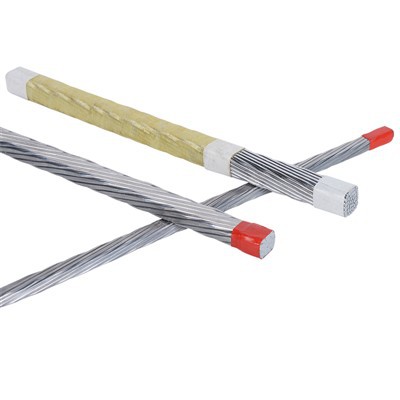
Now, I get that this stuff can still feel overwhelming, especially if you’re not an electrical engineer. That’s what I’m here for. I don’t just sell cable – I help people get the right voltage-rated product for their specific job, no pressure, no confusing sales pitches. If you’re working on a project, need to double-check a rating, or want a custom quote tailored to your load and setup, hit me up. I’ve been doing this for over a decade, I’ve worked on everything from small office rewires to 10-mile solar farm builds, and I can tell you exactly what you need without the jargon. Whether you’re a contractor, electrician, or project manager, I’m happy to walk through your options step by step. Don’t risk buying the wrong cable – a little chat now saves you a lot of headache later.
Enameled Round Wire References
- National Electrical Code (NEC) Article 310, Conductors for General Wiring
- UL Standard 1071, Standard for Flexible Cords and Cables
- Aluminum Association, “Rectangular Stranded Aluminum Conductors: Performance and Application Guide”
- IEEE Standard 576, Recommended Practice for Installation, Termination, and Testing of Insulated Power Cables
Tianjin Jingwei Power Technology Co., Ltd.
As one of the most professional rectangular insulated aluminum stranded cable manufacturers and suppliers in China, we’re featured by quality products and good service. Please rest assured to buy durable rectangular insulated aluminum stranded cable made in China here from our factory. Contact us for more details.
Address: No.1 Chuangxin Rd. Xiaozhan Industrial Park, Jinnan District, Tianjin, China
E-mail: info@jwdc.cn
WebSite: https://www.jw-dcs.com/
