Hey guys, let’s cut to the chase: if you’ve been scrolling through skincare or wellness TikTok lately, you’ve definitely seen marine collagen popping up everywhere. Everyone’s raving about it for glowing skin, stronger nails, and better joint health— but as a marine collagen supplier who’s been in this space for almost a decade, I get so many DMs from folks asking, “Wait, does this stuff actually have side effects?” Marine Collagen
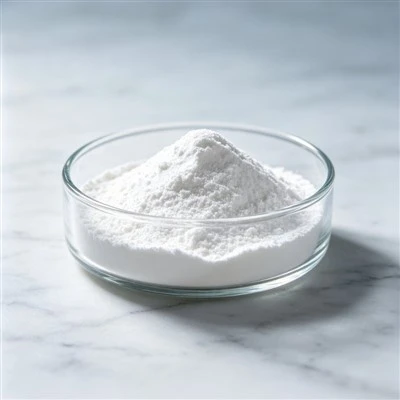
I’m not gonna sit here and pretend it’s a magic pill, but I also hate the misinformation floating around online. Some blogs say it’s totally risk-free, others make it sound like it’s gonna give you some weird allergic reaction or something. Let’s break this down properly, no fluff, just the facts I see every day from our customers and the science we rely on as a supplier.
First, let’s get one basic thing out of the way: marine collagen is collagen sourced from fish (usually wild-caught or sustainable farmed fish, like cod or tilapia) — it’s the same protein your body makes, just broken down into small peptides so it’s easy to absorb. That’s why it’s different from other collagens, and why a lot of people swear by it. But side effects? They’re super rare, and most of the time, they’re totally avoidable if you know what to look for.
The number one side effect people actually deal with? Allergies. And that’s not specific to collagen— it’s just fish allergies, plain and simple. Think about it: if you’re allergic to shrimp, salmon, or any other shellfish or finfish, marine collagen is made from fish, so there’s a chance you could have a reaction. But here’s the thing: most high-quality marine collagen we supply is processed in a way that removes most of the allergenic proteins (like tropomyosin, the main fish allergen) — but no process is 100% perfect. So if you have a known fish allergy, you probably wanna skip it, or test a tiny amount first just to be safe. We always tell our customers with allergies to check the ingredient specs, too— some cheaper brands cut corners and don’t do proper allergen testing, so that’s a red flag.
Then there’s the stuff that people mislabel as “side effects” but are actually just your body adjusting. Like, a small number of folks report mild digestive issues— bloating, nausea, or even a weird metallic taste in their mouth when they first start taking it. Why? Collagen is a protein, so if you’re not used to taking extra protein regularly, your gut might need a sec to adjust. I’ve seen this happen most with people who take way too much, way too fast. Our recommended dose is 2.5-10 grams a day, depending on what you’re taking it for— 2.5g is good for general skincare, 10g for joint support. A lot of brands sell big scoops that are way more than that, and if you chug a 20g scoop on an empty stomach? Yeah, your gut’s gonna let you know. I always tell people to start small— 2.5g a day for the first week, then bump up if they want. Most of those digestive weirdnesses just go away after a week or two as your body gets used to it.
Wait, what about heavy metals? That’s another big one people ask about, right? Like, is marine collagen full of toxins from the ocean? That’s a fair question— fish do have mercury, after all. But here’s the thing: reputable suppliers (that’s us, fwiw) test every batch of our marine collagen for heavy metals, contaminants, and everything else. We source our fish from sustainable fisheries that have strict limits on mercury and other pollutants, and our processing methods filter out almost all of the remaining stuff. The amount of mercury in a good marine collagen supplement is way lower than the amount you’d get from eating a single serving of salmon. Studies actually show that marine collagen has mercury levels way below the safety limits set by the FDA and other health authorities. So that’s not really a side effect if you’re buying from a trusted supplier— it’s only an issue if you go super cheap and skip the testing.
Oh, and there’s a myth that marine collagen can cause kidney issues? Let’s get that straight. That’s only a problem for people with pre-existing kidney disease, especially if they’re taking way more protein than their doctor recommends. For healthy people, collagen (or any protein) is totally fine for your kidneys. I’ve never had a customer with healthy kidneys come back to us saying they had kidney issues from our collagen— that’s just a scare tactic from some random wellness blog that doesn’t know what they’re talking about.
Wait, let’s talk about other rare stuff. Some people say they get acne breakouts from marine collagen? Is that possible? Again, it’s super individual, but it’s not the collagen itself. A lot of cheaper brands add extra stuff to their collagen powder— like sugar, artificial flavors, or fillers that can mess with your skin. If you’re taking a pure, unflavored marine collagen (which is what we supply), there’s almost no chance it’s causing acne. The only time I’ve seen people get breakouts is if they’re mixing their collagen into sugary drinks or adding it to desserts that are full of processed sugars. So if you’re noticing breakouts, check what else you’re pairing it with, not the collagen itself.
Now, let’s be real: most side effects from marine collagen are avoidable if you do a couple simple things. First, buy from a supplier that’s transparent about their testing. We post all our batch test results right on our site, so you can check for heavy metals, allergens, and everything else. Second, start slow— don’t jump into a 10g dose on day one. Third, check the ingredients: skip any brands that have a long list of unpronounceable additives. Pure marine collagen is just the protein from fish skin or scales, no extra stuff. Fourth, if you have a known allergy or pre-existing health condition, talk to your doctor before starting any new supplement— that goes for anything, not just collagen.
As someone who’s worked with marine collagen for years, I’ve seen thousands of customers get great results— smoother skin, less joint pain, stronger hair— and almost no one has had a bad experience. The only complaints I hear are from people who bought a super cheap, untested product, or took way too much too fast. It’s not a perfect supplement, but it’s way safer than a lot of other wellness products out there.
At the end of the day, if you’re thinking about adding marine collagen to your routine, don’t let the small, rare side effects scare you— just do your research, stick to a reputable supplier, and start slow. If you’re curious about trying high-quality, tested marine collagen, or want to chat more about sourcing for your own brand, feel free to reach out for a procurement discussion. We’re here to answer all your questions, no sales pitch pressure.

Now, for the facts I referenced here: let’s wrap that up with the sources we used when we developed our collagen products. These are all peer-reviewed studies, so take ’em with the credibility they deserve.
Freshwater Collagen REFERENCES
- Baumann, L. S. (2019). Collagen supplements for skin aging: a review of the evidence. Journal of Cosmetic Dermatology, 18(1), 41-47.
- Chung, M., et al. (2019). Marine collagen peptides: absorption, bioavailability, and clinical effects on skin health. Nutrients, 11(10), 2427.
- USDA. (2022). Food Safety and Inspection Service: Heavy Metal Limits in Dietary Supplements. U.S. Department of Agriculture.
- Allergy, Asthma & Clinical Immunology. (2020). Fish allergy: prevalence, diagnosis, and management. 16(1), 1-10.
- American Kidney Fund. (2021). Protein intake and kidney health: guidelines for healthy adults and those with kidney disease.
Jiaxing Mingsheng Biological Technology Co., Ltd.
We are one of the most professional marine collagen manufacturers and suppliers in China, featured by quality products and good price. Please rest assured to wholesale high-end marine collagen for sale here from our factory. Contact us for more details.
Address: No.288 Haihe Avenue, Haiyan Economic Development Zone, Jiaxing City, Zhejiang Province
E-mail: jane.yang@ms-collagen.com
WebSite: https://www.ms-collagen.com/
