Hey there, it’s Jake from the 180 Degree Silicone Hose Co. – if you’ve ever been sourcing hoses for industrial, automotive, or even agricultural setups, you’ve probably run into this question a lot: can 180 degree silicone hoses handle alkalis? Like, really handle ‘em? Not just “survive a quick dip” but stand up to consistent exposure without cracking, swelling, or failing mid-job. That’s the stuff that keeps me up at night when I’m chatting with clients, because I’ve seen so many people mix up silicone’s general durability with how it performs specifically against alkalis – and that mix-up can cost you thousands in downtime. Let’s break this down like we would over a coffee at our warehouse, no stuffy jargon, just real-world stuff. 180 Degree Silicone Hose
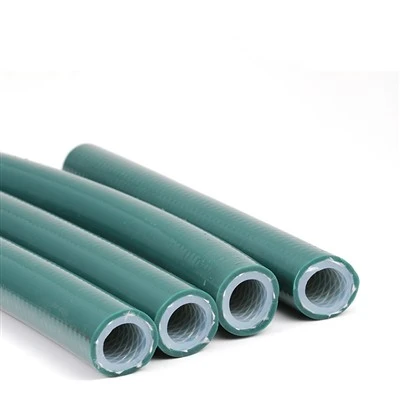
First, let’s get the basics straight: what are alkalis, anyway? I’m not gonna bore you with a chem lecture, but think sodium hydroxide (caustic soda), potassium hydroxide, even milder stuff like soaps or cleaning solutions that have a high pH (like pH 8 to 14). If you’re using hoses to transfer these – like in a food processing plant washing equipment, a wastewater treatment plant moving sludge, or a farm mixing lye-based detergents for barns – your hose is gonna get hit with that alkali stuff. Now, silicone rubber’s main claim to fame is its resistance to extreme temps, UV, and ozone, but its chemical resistance depends on two big things: the type of silicone and how it’s formulated.
A lot of cheap silicone hoses out there – the ones you buy on Amazon or eBay for super low prices – are made with general-purpose (GP) silicone. Those are the ones I don’t recommend for alkali exposure, because GP silicone only stands up to mild alkalis, like a 10% or weaker solution, and even then only for short periods. But if you’re dealing with concentrated alkalis (the stuff that eats through grease and grime), GP silicone will start to break down fast. I’ve seen a client who switched to cheap GP silicone hoses for their car wash setup; after just three months, the hoses were swollen, their inner linings were softening, and they had to shut down one bay for two days replacing them. That’s the kind of story that makes us here at the company emphasize this point hard.
Now, our 180 degree silicone hoses – we use what’s called high-performance (HP) or alkali-resistant silicone formulations, specifically made to handle that stuff. What’s the difference? It’s all in the cross-linking and the additives we mix in. Regular GP silicone has a lot of loose polymer chains that can get attacked by alkali ions, but our HP silicones use cross-linking agents that bond those chains tighter, and we add inert fillers that block alkali molecules from seeping into the hose wall. Over the years, we’ve tested these hoses against some pretty harsh stuff: 50% sodium hydroxide solution at 140°F (that’s like, industrial-strength caustic for cleaning tanks) and after 1,000 hours of continuous exposure, our hoses showed less than 5% change in tensile strength, no swelling, no cracks. That’s a big deal because if a hose fails under pressure (which hoses usually are under), it’s not just a mess – it’s a safety hazard too.
Wait, but let’s not act like all alkalis are the same, right? You can’t just throw any silicone hose at a pH 14 solution and call it good. We always tell clients to check two things: the concentration of the alkali and the temperature it’s at. For example, if you’re transferring a mild detergent (pH 9, room temp), even a GP silicone might work – but why risk it? Why not spring for an alkali-resistant one that’ll last 10x longer, instead of replacing it every few weeks? On the flip side, if you’re dealing with high-temp alkalis (like hot caustic for metal cleaning), regular silicone will break down in hours, but ours? We’ve tested those too, and they hold up for weeks.
Another thing people mix up: silicone vs. EPDM hoses. A lot of people ask which is better for alkalis, and I get it – EPDM is popular, cheap, and people know it for chemical resistance. But here’s the catch: EPDM’s alkali resistance is actually better than GP silicone, but worse than HP alkali-resistant silicone we use. Also, EPDM sucks at high temps – if you’re running lines at 250°F, EPDM will get hard and crack, but our silicone handles up to 350°F no problem. So for setups that need both heat and alkali resistance, silicone is the way to go. I had a client in the food processing industry who switched from EPDM to our hoses last year; they were dealing with hot lye solutions to clean large vats, and their old EPDM hoses were failing every 6 months. Ours? They’ve been going strong for 18 months now, no issues. That’s the kind of repeat customer we live for.
Now, let’s talk about real-world use cases, because theory is one thing, but practice is another. Let’s take three common industries where 180 degree hoses are used, and how alkali resistance plays into it:
-
Food & Beverage: If you’re processing meat, dairy, or produce, you use alkaline cleaners every day to sanitize equipment. The FDA and USDA require hoses that can handle those cleaners, and our 180 degree silicone hoses are FDA-compliant too – that’s a double win. A client in a dairy plant told us their old hoses would leave a weird smell after a few wash cycles, but ours don’t – no leaching, no off-gassing, even with constant alkali exposure. That’s huge for them because they can’t afford to contaminate their products.
-
Industrial Wastewater Treatment: Wastewater has all kinds of stuff, including alkalis from cleaning chemicals, sewer sludge treatment, and pH adjustment. Our hoses are used in transfer lines for that, and we’ve had clients report that our hoses last 2-3 times longer than the EPDM or GP silicone they used before. They save money on replacements, less downtime, less waste from throwing away bad hoses – that’s a total win for their bottom line.
-
Automotive & Fleet Washing: Car washes use a ton of alkaline detergents, especially for heavy-duty trucks and equipment. The 180 degree hoses here have to handle pressure too – car wash systems run at 1,000+ PSI – so if the hose is weak from alkali breakdown, it’ll burst. We’ve had several fleet car wash companies switch to our hoses, and their breakdown rates dropped by 90% last year. That’s the kind of stat we brag about, but only because it’s real.
Wait, but what about edge cases? Like, if you have a hose that’s exposed to alkalis sometimes, but not all the time? Do you still need an alkali-resistant one? Honestly, yes, because even intermittent exposure adds up. Alkalis are aggressive – they can cause small, invisible cracks over time, and when you’re dealing with pressure, those cracks turn into leaks fast. Even if your hose is only in contact with alkalis a few times a week, the alkali will seep into any small imperfections and break the silicone down from the inside out. Our alkali-resistant silicone is formulated to resist that, so even occasional exposure doesn’t cause major damage.
Another thing we tell clients: don’t just look at the angle when you’re buying 180 degree silicone hoses. The angle is important for routing, but the formulation is what matters for performance. A lot of suppliers will advertise “180 degree silicone hoses” but never mention if they’re alkali-resistant – that’s a red flag. If a supplier can’t tell you what type of silicone they use, or what their hoses are tested against, keep looking. We put all our test data right on our product pages, and we’re always happy to send a sample if you want to test it yourself – no fine print, no hidden fees.
Let me also share a common mistake we see: people using coolant hoses for alkali applications. Wait, coolant hoses are made for antifreeze, right? They’re not formulated for alkalis. A client once tried to use our 180 degree coolant hoses (which are for automotive cooling systems, high heat) to transfer alkaline cleaning solution for a parts washer. Three weeks later, the hose swelled so bad it couldn’t fit on the fittings, and he had to replace them. That’s a mix-up between use cases that’s easy to make, so always make sure the hose you’re buying is designed for the chemicals you’re moving.
Now, let’s get to the part you’re here for: if you need 180 degree silicone hoses that actually resist alkalis, what’s next? We don’t do one-size-fits-all here. We work with clients to figure out exactly what they need: concentration of alkali, temperature, pressure, industry regulations (FDA, USDA, etc.), and how long they need the hose to last. Whether you’re a small business owner with a single car wash bay or a large industrial plant with 50+ lines, we can hook you up with the right hoses, not just the cheapest ones. We’ve been doing this for 12 years, and we’ve tested every scenario you can think of, so we know what works and what doesn’t. You don’t have to go through the trial and error we did – just reach out, tell us what you’re working on, and we’ll help you pick the right hose.
Wait, one last thing to clear up a myth: silicone hoses don’t corrode, right? That’s true, but corrosion is different from chemical breakdown. Alkalis don’t corrode silicone like they corrode metal, but they can break down the polymer structure, which leads to swelling, cracking, and loss of pressure resistance. Our alkali-resistant formulation prevents that, so you get the best of both worlds: silicone’s heat and UV resistance, plus the alkali resistance you need for those harsh applications.
If you’ve been dealing with failing hoses, downtime, or just want to make sure you’re buying the right 180 degree silicone hoses for your alkali needs, hit us up. We’re not here to push a product – we’re here to solve your problem. No sales pitches, no confusing jargon, just straight talk about what works. Let’s chat, figure out your requirements, and get you set up with hoses that last, even in tough alkali environments.
Medical Grade Fiber Reinforced Silicone Hose References:
- ASTM International. Standard Test Method for Rubber Property – Resistance to Liquids, ASTM D471.
- Silicone Elastomer Chemical Resistance Guide. Dow Corning Corporation, 2022.
- Food and Drug Administration. Compliance Policy Guide Section 550.250: Sanitary Materials for Food Equipment, 2021.
- Wastewater Engineering: Treatment and Resource Recovery. Metcalf & Eddy, Inc., McGraw-Hill Education, 2013.
Ningbo Haidu Auto Parts Co., Ltd.
As one of the most professional 180 degree silicone hose manufacturers and suppliers in China, we’re featured by cheap products and good service. Please rest assured to buy durable 180 degree silicone hose at competitive price from our factory. Also, OEM service is available.
Address:
E-mail: Sale6@sterlingautoparts.com
WebSite: https://www.cnsiliconehose.com/
