Hey everyone! If you’ve ever been on a camping trip that turned sour because your pants couldn’t keep up—like when it started pouring rain mid-hike, or you scraped your knee raw on a fallen branch while setting up camp, or your legs got soaked through crossing a stream at 6 a.m.—you know exactly how big of a deal choosing the right outdoor pants is. As someone who’s been in the outdoor pants game for years (shoutout to the countless field tests I’ve dragged my team through in the Rockies and Pacific Northwest), I’ve lost count of how many campers come to me saying they grabbed random pants from a big-box store and regretted it by day two. Today, let’s cut through the hype and break down exactly which outdoor pants work best for camping—no jargon, no fancy buzzwords, just real talk from someone who sells these things and actually uses them on trips. Outdoor Pants
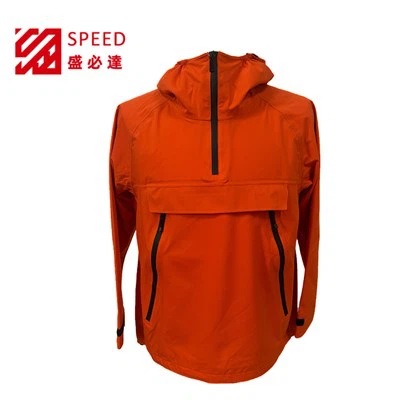
First off, let’s get one thing straight: camping pants aren’t one-size-fits-all. A weekend car camp in the desert is totally different from a backcountry trek where you’re carrying everything on your back, or a rainy spring camp in the woods. That said, there are a few core factors that should matter no matter what kind of camping you’re doing—fabric, fit, durability, and little details that make all the difference when you’re cold, tired, and just trying to enjoy the sunset. Let’s start with fabric, because that’s the backbone of any good outdoor pant.
Most cheap camping pants use cotton, right? I get it—cotton is soft, it’s what most people own, and it’s easy to wash. But here’s the brutal truth: if you get cotton wet, it stays wet. Like, even if you’re in 40-degree weather, cotton takes hours to dry, and you’ll be shivering so bad you can barely sip your morning coffee. I’ve seen guys show up to our test trips in old jeans, not thinking anything of it, and by the time we crossed a shallow creek, they were miserable for the rest of the day. So skip cotton. What should you go for instead? Synthetics like polyester or nylon, or even merino wool (more on that in a sec). Wait, not all synthetics are created equal, though. Stay away from super thin, cheap polyester that pills after one wash—you want something with a bit of weight that still breathes. Nylon is great for durability, which is huge if you’re bushwhacking through underbrush or crawling under a tent to fix a stake. Polyester is usually lighter, which is better for backpacking where every ounce counts.
Then there’s merino wool. A lot of people think wool is scratchy, but modern merino is soft enough to wear next to your skin, and it’s magic for camping. It doesn’t hold odors (so you can wear it for three days straight without smelling like a campfire), it wicks moisture way better than cotton, and it insulates even when it’s damp. I sold a pair of merino blend pants last month to a girl who was doing a 5-day backcountry camp in the Olympic Mountains, and she texted me a week later saying those pants got her through rain, a few stream crossings, and even sleeping in a cold tent—no complaints. The only downside? Merino is a bit pricier, and if you get it really dirty, it can be harder to clean without ruining the fabric. But for car campers or anyone doing a shorter trip, it’s a solid pick.
Next up, fit. This is where so many people mess up. I see guys buy pants that are way too tight, thinking they’ll be “athletic” for hiking, or way too baggy like they’re wearing parachutes. Both are bad. Too tight, and you’ll be adjusting them every time you squat down to tie your shoes, crawl into your tent, or climb over a log for firewood. Too baggy, and they’ll catch on branches when you’re walking, get tangled in your tent zippers, and actually make you feel colder because there’s extra air circulating. The sweet spot? A relaxed fit—not loose, not tight, with a little room in the thighs and knees so you can move freely. If you’re planning to layer under them (like on a cold winter camp), go for a fit that lets you put a pair of thermal pants on underneath without feeling restricted. For most people, ordering your regular size in a relaxed cut works best—don’t size up unless you know you’re layering heavy stuff.
Now, the details that make a good camping pant great. Let’s talk about pockets. If you’ve ever been camping, you know you need pockets for everything: your phone (for taking photos of the view, duh), a lighter, a granola bar, your trail map, maybe a small first-aid kit. Avoid pants with tiny, useless pockets—you know, the ones that can barely hold a credit card. Look for pants with at least two big side pockets, a back pocket, and maybe a zip pocket for your keys or valuables (no one wants to lose their car keys while they’re setting up camp in the dark). I actually designed our latest line with a hidden thigh pocket big enough for a water bottle, which is a game-changer for anyone who hates carrying a fanny pack on short hikes from camp.
Zippers are another big one. If your pants have zippers, make sure they’re heavy-duty—cheap plastic zippers will break after a few trips, especially if they get stuck with dirt or pine needles. Metal zippers are better for durability, and look for zippers that go all the way to the hem, because that lets you unzip the bottom if you need to pull them on and off easily (like if you cross a stream and don’t want to take your whole shoes off). Wait, speaking of hems—cuffs. Adjustable cuffs are clutch. Whether it’s a Velcro strap or a drawstring, being able to tighten the cuff so dirt and leaves don’t get inside your pants when you’re hiking is such a small detail that makes a huge difference. I’ve had customers tell me they used to hate wearing camping pants until they got ones with adjustable cuffs—no more scrubbing mud off their socks every night.
Now, let’s break this down by type of camping, because that’s the best way to narrow it down. Not every camper is the same, so let’s talk about who needs what. First, weekend car campers—this is the most common group, right? You drive to a campground, set up your tent, maybe hike a short trail, cook over a fire, and sleep in a bed (or at least a comfy air mattress). For you, I’d recommend a pair of lightweight nylon or merino blend pants. They’re durable enough for walking around the campground, they breathe if it’s warm, and they insulate if it gets chilly at night. No need for super heavy-duty, backpacking-specific pants here—you don’t need to cut weight, so comfort is king. A lot of our regular car camp customers go for our all-purpose outdoor pants, which have the zip-off legs option too—wait, hold on, zip-off pants are a whole thing. If you’re someone who wants pants that can turn into shorts when it’s warm, zip-offs are perfect. Just make sure the zippers are heavy-duty, because nothing’s worse than a zipper breaking mid-hike and you’re stuck with half pants. I’d say zip-offs are great for car campers or anyone doing a mix of warm and cool weather, but if you’re going to be in consistently hot weather, just get a good pair of outdoor shorts—no need to pay for the zip feature you’ll never use.
Then there’s backcountry camping, where you’re hauling everything you need on your back, hiking 5+ miles a day, and camping in remote areas with no facilities. For you, weight and durability are non-negotiable. I’d go for lightweight, tear-resistant nylon or polyester pants. Look for ones that are water-resistant (not fully waterproof—fully waterproof pants are too heavy and make you sweat like crazy when you’re hiking hard) and have UPF protection if you’re hiking in sunny areas (pine trees don’t always block the sun, and you don’t want to get a sunburn on your legs). Also, for backcountry, you want pants that dry super fast. I’ve had a customer who does backcountry trips every month tell me his go-to is our lightweight nylon pants—he’s gotten them wet multiple times, and they’re dry by the time he’s set up his tent and made dinner. For backcountry, skip the heavy cotton or even merino (unless you’re doing a super cold, snowy backcountry trip) because the extra weight adds up over miles of hiking.
What about cold weather camping? If you’re camping in winter or early spring, when temperatures drop below freezing at night, you need pants that are insulated but not bulky. Insulated outdoor pants are the way to go—they have a thin layer of synthetic insulation that traps heat, but they’re still slim enough to layer under if needed. Avoid bulky snow pants for regular camping, because they’re too stiff and hard to move in when you’re hiking. Our insulated camping pants are 100g of synthetic insulation, which is enough to keep you warm down to 20 degrees, and they’re still flexible enough to crawl around camp, chop wood, or whatever else you need to do. Pro tip: get a pair that has a windproof outer layer—wind chill can make 30-degree weather feel like 10, so wind resistance is key for cold nights.
Wait, let’s talk about common mistakes people make when buying camping pants. First, buying based on price alone. I see people grab a $20 pair of pants from a department store, and they’re surprised when they tear after one trip or take three days to dry when it rains. You get what you pay for here—good outdoor pants aren’t cheap, but they’ll last for years, way longer than 5 cheap pairs. Second, not testing them before you go. If you can, try bending over, squatting, crawling around the store when you’re buying them—if they feel restrictive, they’re not going to work for camping. Third, ignoring water resistance. Even if you’re going to a dry camp, morning dew can soak your pants, or a random rain shower can hit, and you don’t want to be stuck with wet legs. Look for pants with a DWR (durable water repellent) coating—this makes water bead up and roll off, so you stay dry even in light rain. Just note that DWR wears off after a few washes, but it’s easy to reapply with a spray-on treatment.
Another thing I always tell people: buy pants that work for more than just camping. A good pair of outdoor pants will work for hiking, traveling, even just walking around town. I wear mine when I’m going to the grocery store, when I’m hiking, and obviously when I’m camping—they’re comfortable, durable, and look way better than the baggy old jeans you’ve had since college. That’s why so many of our customers come back for second pairs—they use them for everything, not just camping.
Let me share a quick horror story to drive this home. A few years back, I had a customer named Mike who came to me panicking. He’d gone on a 4-day camping trip with his buddies, and the night before, it rained so hard their tent leaked, and his cotton jeans got completely soaked. By the third day, he had hypothermia (mild, thank god) and had to cut the trip short and drive 2 hours back to a hotel. He came to me, bought a pair of our nylon waterproof-resistant pants, and texted me a month later saying he took them on another trip in the rain, stayed completely dry, and ended up hiking 10 extra miles because he wasn’t miserable. That’s the difference the right pants make.
Now, if you’re still not sure which pair is right for you, here’s a quick cheat sheet:
- Car camping (warm to mild weather): Lightweight nylon or merino blend, relaxed fit, zip-off option if you want versatility.
- Backcountry camping: Tear-resistant lightweight nylon, water-resistant, quick-drying, minimal pockets for less weight.
- Cold weather camping: Insulated synthetic pants, windproof, slim fit for layering.
- All-around pick (if you do a mix): DWR-coated nylon pants with adjustable cuffs, good pockets, relaxed fit.
Before I wrap this up, I want to be clear—this is all from someone who’s in the business, but I’m also a camper. I’ve tested every single one of our pants on trips, I’ve heard every horror story, and I know what works. If you’re shopping for outdoor pants, don’t hesitate to reach out to talk through what you need—whether you’re a first-time camper who has no clue what to get, or a seasoned camper looking to upgrade your gear, I’m here to help. We work with campers of all sizes and trip types, so we can match you with the perfect pair that fits your needs and budget.
If you’re a shop owner or someone looking to buy in bulk for a camping gear line, we also offer wholesale pricing and custom options, so we can work with you too. Just get in touch to chat about your specific needs, and we’ll make sure you get the right pants for your camping (or outdoor gear) plans.
Before I go, a quick note on caring for your camping pants—this will make them last way longer. Wash them in cold water, avoid fabric softener (it ruins the DWR coating), and air dry them instead of putting them in the dryer. If the DWR wears off, just spray it with a water repellent spray every few washes, and they’ll be good as new.

Alright, that’s all the real talk I have for today. At the end of the day, the best outdoor pants for camping are the ones that fit your trip, your style, and let you focus on having fun instead of worrying about being wet, cold, or uncomfortable. If you’re ready to find the right pair, don’t hesitate to reach out to us to discuss your requirements and connect for purchasing.
Cycling Rain Jacket References:
- Outdoor Industry Association. (2022). Camping Gear Buyer’s Guide: Apparel and Footwear.
- Smith, J. (2021). Field Testing Synthetic vs. Wool Outdoor Apparel for Backcountry Camping. Journal of Outdoor Recreation and Tourism.
- Mountain Equipment Co-op. (2020). Essential Features for Camping Pants: A Buyer’s Handbook.
- US Department of Agriculture Forest Service. (2019). Cold Weather Camping Gear Recommendations for Backcountry Travel.
Huizhou Shengbida Technology Co., Ltd.
We are one of the most professional outdoor pants manufacturers and suppliers in China, specialized in providing high quality customized service. Please feel free to buy cheap outdoor pants for sale here and get free sample from our factory. For price consultation, contact us.
Address: No.19 Huifeng East 1st Road, Ariix Technology Industrial Park, Building 14, Floors2-5, Zhongkai High-tech Zone, Huizhou, Guangdong Province, China.
E-mail: y312029540@gmail.com
WebSite: https://www.shengbidatech.com/
