If you’ve ever stood in the parking lot of an off-road trailhead, staring at a truck with wheels that look way too tough for the terrain, you might’ve wondered: why do some off-road rigs roll over rocks like they’re nothing, while others get stuck halfway up a small hill? 9 times out of 10, the answer isn’t the engine or the lift kit—it’s the wheels. Off Road Wheels
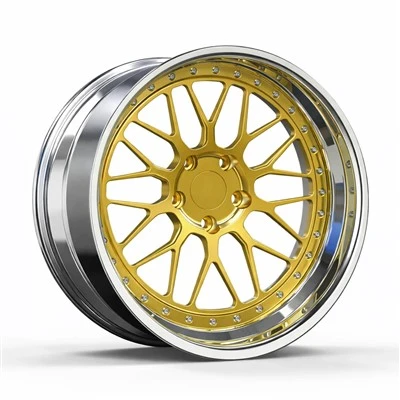
As someone who’s been part of the off-road wheels game for years (let’s cut to the chase, I’m part of that supplier crew you might’ve heard about when friends swap rig mods), I’ve seen way too many guys grab any set of shiny rims they find on TikTok, only to have them bend after one trip to the local trails, or worse, crack on a steep rock crawl. Choosing the right off-road wheels isn’t just about making your truck look cool (though let’s be real, that’s a huge perk)—it’s about keeping you safe and your rig rolling when the pavement ends.
First off, let’s get the basics out of the way. You can’t just run any wheel that fits the bolt pattern on your truck. Wait, what’s a bolt pattern, you ask? That’s the number of lug nuts (usually 5, 6, or 8 for trucks) and the distance between the centers of those lugs. If your 2023 Ford F-150 has a 6x135mm bolt pattern, slapping on a set of 5x150mm wheels is like trying to put a bike tire on a car— it’s not gonna line up, and you’re gonna crash. That’s step one. Always double-check your truck’s specs: pull up your owner’s manual, or if you’re like most of us who lost theirs years ago, punch your truck’s make, model, and year into a quick search. Don’t guess here— this is non-negotiable. Mess up the bolt pattern, and your wheels aren’t just useless; they’re a safety hazard.
Next, offset. This one’s the trickiest part for newbies, and it’s where most people mess up. Offset is the distance from the center of the wheel to the mounting surface that sits against your truck’s hub. Think of it like this: positive offset means the centerline is closer to the front of the wheel, so the wheel sits inward a bit. Negative offset means the centerline is closer to the back, so the wheel sticks out. Now, why does that matter? If you run a way more negative offset than your truck’s designed for, your wheels will stick out past the fenders, which looks sick until you’re scraping them on every rock or branch on the trail. Worse, it messes up your truck’s handling— steering will feel twitchy, and you’re way more likely to roll if you hit a corner too fast. On the flip side, if the offset is too positive, your wheels’ll sit super far under the truck, which can cause clearance issues for your tires, and even rub against the control arms when you’re off-roading. Pro tip: stick to the offset that’s recommended for your rig—we stock wheels for all major truck brands, and each listing has the exact offset to match your stock setup, so you don’t have to do the math.
Now, the fun (but important) stuff: material. This is where durability vs. weight comes into play, and it’s a choice that depends on how you use your truck. Let’s break down the two main types: steel wheels and alloy wheels. Steel wheels are the budget workhorses. They’re cheap, tough as nails— you can hit a rock, bounce off a log, and they’ll barely scratch. The downside? They’re way heavier than alloy wheels. That extra weight kills your truck’s fuel efficiency, makes the suspension work harder (which translates to a rougher ride on the trails), and if you ever get a flat off-road, those heavy steel wheels are a pain to change. Most people run steel wheels as backups or for super heavy-duty rigs (think: rigs that pull 10k pound trailers or go mudding 20 times a month).
Alloy wheels, on the other hand, are the cool kids. They’re aluminum (mostly, some are magnesium, but that’s for fancy race rigs) way lighter than steel. Lighter wheels mean better acceleration, better fuel mileage, and less strain on your suspension. They also transfer heat better, which is a big deal if you’re towing a heavy load or braking hard on a long descent. But here’s the catch: not all alloys are equal. Cast alloy wheels are cheaper, made by pouring molten aluminum into a mold. They’re lighter than steel, but they’re more brittle—hit a sharp rock the wrong way, and they’ll crack. For most casual off-roaders (once a month weekend trips, rock crawling at local trails), cast alloys work just fine. But if you’re a hardcore guy, running 37-inch tires and tackling the Rubicon or Moab, you want forged alloy wheels. Forged wheels are made by compressing aluminum under tons of pressure, so they’re way stronger than cast. They’re still lighter than steel, can handle way more abuse, but they’re way pricier. I’ve watched forged wheels take hits that would bend a steel wheel and keep on going— total game-changer for serious rigs.
Then there’s wheel size. I can’t tell you how many guys come to us asking for 20-inch wheels just because they look good. But bigger isn’t always better. Wait, let’s clarify: wheel size is the diameter, not the width (we’ll get to width in a sec). A bigger wheel means you can run a bigger tire, right? That’s true, but you have to match it to your truck’s lift. If you’ve got a stock height truck (no lift kit), don’t go for a 20-inch wheel with a 35-inch tire— that’ll rub like crazy, and you’ll have to do major body mods to make it fit. Most stock trucks can handle up to 18-inch wheels with 33-inch tires, and even that might need a tiny leveling kit. If you’ve got a 6-inch lift, you can go way bigger— 20-inch wheels with 37-inch tires, no problem. Also, smaller wheels (15, 16, 17 inches) are often better for off-roading because they have more sidewall on the tire, which acts like a cushion when you hit rocks. 17-inch is a sweet spot for most people: not too big, not too small, plenty of sidewall for trail abuse, and you still get plenty of tire options.
Wheel width is another big one, and it’s tied to tire size. The width of your wheel affects how your tire sits— too narrow, and your tire will look underinflated even when it’s full pressure, and it’ll wear out way faster on the edges. Too wide, and your tire will bulge too much, which can cause blowouts at lower pressures (super dangerous when you’re crawling rocks, where you need low pressure for grip). The rule of thumb is: your tire’s width should be 1.5 to 2 times your wheel’s width. So if you’ve got a 10-inch wide wheel, a 15 to 20-inch wide tire (wait, no, tire width is usually in millimeters— let’s make that easy: a 10-inch wheel pairs perfectly with a 35×12.50 tire, which is the most popular trail tire for mid-sized trucks). If you’re running a 12-inch wide wheel, you can go up to a 37×13.50 tire, which is great for big rigs. Messing this up leads to uneven tire wear and way less grip on the trails— trust me, I’ve seen it happen to guys who didn’t check, and they ended up having to replace tires way sooner than they should’ve.
Next, finish. This is the part that’s all about style, but it’s not just about looks— the finish affects durability. You’ve got chrome, powder coat, matte black, machined faces, and more. Chrome looks sick, but it’s super thin, and if you scratch it on a rock, you’ll get rust under the chrome, which spreads fast. Powder coat is way tougher, resists scratches and rust, and comes in tons of colors. Matte black is super popular for off-road rigs right now, it hides scratches way better than glossy finishes— perfect for guys who don’t want to fix every little rock chip after a trip. Machined faces have that sleek look, but the machined part is bare metal, so it scratches easier than powder coat. If you’re the type who runs your truck hard, go for a thick powder coat finish— it’s worth the extra cost to not have to repaint your wheels every six months.
Wait, let’s not forget load rating. This is the one most new off-roaders sleep on. Load rating is how much weight the wheel can safely carry. If you’ve got a half-ton truck (like a Ford F-150, Chevy Silverado 1500), you don’t need a heavy-duty load rating, but if you’ve got a three-quarter ton or one-ton truck (F-250, Ram 3500), you need a wheel with a high load rating to handle the weight of the truck, plus any gear you’re hauling for off-roading. Run a low load rating wheel on a heavy truck, and it’ll bend or crack way faster than it should, even on easy trails. We always list the load rating for every wheel, and we recommend the right one based on your truck’s GVWR (gross vehicle weight rating)— just shoot us a message if you’re not sure what that is, no hassle.
Now, let’s talk about common mistakes I see all the time, so you can avoid them. First, buying cheap wheels just to save a buck. I get it, off-road stuff adds up, and a $100 wheel vs. a $250 wheel seems like a no-brainer. But those cheap no-name wheels are usually cast from bad aluminum, no quality control, so they’re way more likely to crack or bend. I’ve had guys come to us with wheels that bent after one trail trip, and they paid almost the same total for two cheap sets as they would for one good set from us. Second, not planning for future mods. If you’re thinking about lifting your truck or bigger tires next year, buy a wheel that can handle that now, instead of having to re-buy wheels six months later. Third, ignoring your tire’s requirements. Like I said earlier, wheel width and tire size go hand in hand— don’t pick a wheel just because it looks good with a tire you haven’t bought yet.
Let’s wrap this up with a quick example to make it real. Suppose you’ve got a 2022 Chevy Silverado 1500, stock height, 5 lug bolt pattern, want to do weekend trips to the local dirt trails. Here’s your ideal set: 17×8.5-inch wheels, 6×139.7mm bolt pattern, +18 offset, cast alloy with a matte black powder coat finish, load rating of 2,200 lbs per wheel. That fits your stock truck, handles 32 or 33-inch tires, is tough enough for trail abuse, and doesn’t break the bank. If you upgrade to a 4-inch lift next year, you can swap to 17×9-inch wheels with 35-inch tires, same bolt pattern and offset, just a little wider, and you’re good to go.
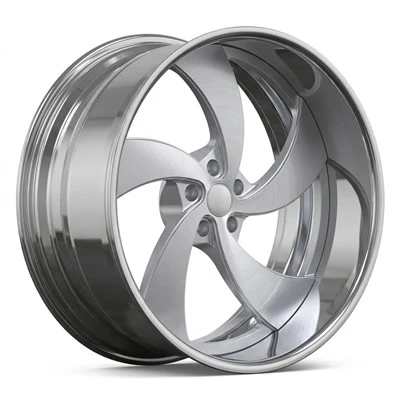
Choosing off-road wheels doesn’t have to be overwhelming. It’s all about matching your rig, your trail habits, and your style, not just grabbing whatever’s shiny or cheap. And if you’re still confused— which, let’s be honest, most guys are when they’re first getting into mods— we’re here to help. We’ve been supplying off-road wheels for years, we’ve worked with everything from stock half-tons to heavy-duty rock crawlers, and we can hook you up with the right wheels that fit your budget and your rig.
Forged Truck Wheels If you’re ready to stop guessing and get a set of wheels that’ll actually hold up on the trails, hit us up to chat. No hard sell, no weird hoops— just straight talk about what your truck needs, and options that work for how you use your rig. We’ve got all the sizes, materials, and finishes, so you can get wheels that look good and keep you rolling when the trail gets rough.
References
- Off-Road Magazine. (2021). "Wheel Basics: Offset, Bolt Pattern, and Load Ratings for Off-Road Trucks."
- Four Wheeler Network. (2022). "Steel vs. Alloy Wheels: Which is Right for Your Off-Road Rig?"
- Truck Trend. (2020). "Wheel Size and Tire Fitment: Avoiding Common Clearance Issues."
- Specialty Equipment Market Association (SEMA). (2021). "Off-Road Wheel Material Durability and Safety Standards."
- Trail4x4. (2023). "Beginner’s Guide to Choosing Off-Road Wheels for Weekend Trailers."
Hurong (Ningbo) Wheels Co., Ltd.
Hurong (Ningbo) Wheels Co., Ltd. is one of the most professional off road wheels manufacturers and suppliers in China, also supports customized service and OEM service. Welcome to wholesale bulk high quality off road wheels made in China here from our factory. If you have any enquiry about cooperation, please feel free to email us.
Address: Floor.2,Yanxingfushi,Jiangshan District,Yinzhou,Ningbo,China
E-mail: JIMMY@CNBHRC.COM
WebSite: https://www.hrc-wheel.com/
