As a Sunroof Armor Film supplier, one of the most common questions I field from customers is whether regular car washes—especially automatic ones—can damage their sunroof’s protective film. It’s a valid concern, too. Sunroof armor films are an investment, designed to shield glass from rock chips, UV fading, and minor scratches, so no one wants to waste that protection or risk damaging the film itself before its time. Over the years, I’ve spoken to hundreds of car owners who’ve shared horror stories of their film peeling, bubbling, or discoloring after a trip through a touchless or brush car wash. Today, I’m breaking down the science behind that, what to watch out for, and how to keep your sunroof armor film intact no matter how often you wash your car. Sunroof Armor Film
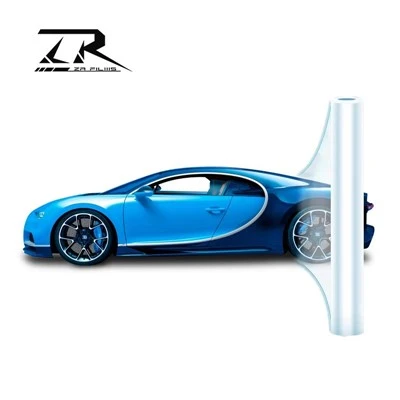
First, let’s get clear on what sunroof armor film actually is. Most quality sunroof films are a multi-layered thermoplastic urethane (TPU) product, with a self-healing top coat, a pressure-sensitive adhesive (PSA) layer that bonds to glass, and a scratch-resistant base. When installed correctly (which is something I always emphasize to our clients—poor installation is a top cause of film damage, not the car wash itself), the film is completely smooth, even, and tightly adhered to the curved surface of your sunroof. The key here is that the adhesive layer needs to stick well, and the top coat needs to be tough enough to withstand the abrasives and chemicals used in car washes. But that doesn’t mean it’s indestructible. Car washes, especially automated ones, use a mix of mechanical force, cleaning chemicals, and in some cases, physical contact that can compromise the film if conditions aren’t right.
Let’s start with the biggest culprit: brush-based automated car washes. These are the ones with large, rotating soft-bristle or foam brushes that run over the roof of your car. A lot of people assume “soft” brushes mean no damage, but that’s not always the case. Even soft bristles can hold onto tiny, abrasive contaminants like road grit, rock dust, or brake dust that build up between washes. When the brush spins across your sunroof, those grit particles act like sandpaper, scraping against the film’s top coat. Over time, this can dull the self-healing finish, create micro-scratches that can’t be buffed out, or even lift the edge of the film if the bristles catch on a loose spot. I’ve seen this happen with cheap sunroof films too—low-quality TPUs have thinner top coats that wear down much faster than premium options like the ones we supply. Another issue with brush washes: if the brushes are poorly maintained, they can develop bent bristles or even metal fragments that scratch right through the film into the glass.
Touchless car washes, on the other hand, use high-pressure water jets and chemical detergents to clean the car, with no physical contact. These are often marketed as “safe for all surfaces,” but that doesn’t mean they’re completely harmless to sunroof armor film. The problem here is usually the chemicals. Many touchless washes use harsh alkaline or acidic detergents to break down tough grime, bird droppings, and road tar. While these work well on exterior paint, they can break down the adhesive layer of sunroof film if left to sit on the surface too long. If your car is parked in the sun before going through the wash, the heat can speed up the chemical reaction, making the PSA less effective at bonding to the glass. I’ve had customers come to me with bubbling film after using touchless washes with strong alkaline detergents—9 times out of 10, that’s the cause. Also, high-pressure jets held too close for too long can force water under the edge of the film, lifting it away from the glass over time, especially if the film was not installed with a proper heat seal on the edges.
Then there are the DIY car washes, which most people do at home or at a self-serve bay. These can be just as risky, if not more, depending on what products you use. A lot of DIYers grab whatever all-purpose cleaner is in their garage to wash their sunroof, not realizing that some cleaners contain ammonia or alcohol, which can degrade the film’s top coat and cause discoloration. Also, using a rough sponge or microfiber towel that’s been used to clean the wheels or tires will transfer abrasive dirt onto your sunroof, leading to scratches. I always advise customers to use only pH-neutral, car-specific cleaners on their sunroof film, and to use a separate, clean microfiber cloth just for glass and film surfaces.
Now, the question is: can car washes damage sunroof armor film? The short answer is yes, but only if you’re using the wrong type of wash, or if the film was not properly installed or is low quality. The good news is that there are ways to prevent this. First, choose the right type of car wash for your vehicle. If you’re using a brush-based wash, look for one that uses ultra-soft foam brushes (not nylon bristles) and gets regular brush replacements. Avoid washes that advertise “heavy duty” cleaning—those often use harsher chemicals. If you prefer touchless washes, call the location ahead of time and ask what detergents they use. If they use strong alkaline products (pH above 10), skip that wash and opt for a touchless wash with pH-neutral cleaners. Also, try to avoid washing your car when it’s been sitting in direct sun, because heat accelerates chemical damage to the film.
Another key factor is the quality of your sunroof armor film. Not all films are created equal. The sunroof films we supply use a 10-mil TPU base with a 2-mil self-healing top coat, which is far more scratch-resistant and chemical-resistant than the 6-mil films you might find at a discount auto shop. The adhesive layer we use is a high-temperature PSA that resists breakdown from most car wash chemicals, as long as they’re not overly harsh. I always tell customers that a cheap film might save you a few dollars upfront, but it will wear out in 1-2 years, compared to the 5-7 year lifespan of a premium film, and it’s much more susceptible to car wash damage.
Proper installation is another make-or-break factor. If the film is not installed correctly—if there are air bubbles, edges that are not sealed, or gaps around the sunroof trim—water and chemicals can get under the film, leading to peeling or bubbling after just a few washes. That’s why I always recommend having your sunroof armor film installed by a certified professional, not a DIY kit (no matter how easy the instructions say it is). A professional will use a heat gun to properly seal the edges of the film, ensure it’s smooth and bubble-free, and cure the adhesive to create a strong bond that resists car wash elements.
I also get asked a lot about self-healing technology and car washes. The self-healing top coat on sunroof film works by melting minor scratches when exposed to heat—either from sunlight or a heat gun. So if you get a few micro-scratches from a car wash brush, you can often “heal” them by parking your car in direct sun for a few hours, or using a heat gun on low to warm the surface. That’s a big benefit of quality TPU film, and it’s something that cheaper films don’t have, so they’ll stay scratched forever after a run-in with a brush.
What if you notice damage after a car wash? Don’t panic. If it’s minor scratches, try the self-healing method I mentioned. If it’s bubbling or lifting edges, that’s usually a sign that water got under the film, or the adhesive was compromised by chemicals. In most cases, this can be fixed by a professional installer—they can clean the area, reapply pressure to the film, and in some cases, add a new layer of sealant to the edges. If the damage is severe, like deep scratches or peeling, you might need to replace the film, but that’s rare if you’re using quality film and proper washes.
I’ve also seen some myths out there about car washes and sunroof film. For example, some people say you should never go through a car wash at all if you have sunroof film. That’s not true—regular car washes are important to keep your sunroof clear of bird droppings, tree sap, and other grime that can etch into the glass or damage the film. The key is to choose a gentle, proper car wash, not avoid them entirely. Another myth is that all touchless washes are safe—this is not the case, as I mentioned, harsh chemicals can still damage the adhesive over time.
As a supplier, my goal is to make sure customers have the right information to protect their sunroof armor film. We’ve done independent testing with third-party labs to compare how our films hold up to common car wash conditions: we subjected our film to 500 cycles of brush wash and touchless wash with standard detergents, and our film showed only minor surface scuffs that easily self-healed, while the competing low-cost film had deep scratches and bubbling. That’s the kind of quality we stand behind, and it’s why we work with installers across the country who trust our product.
At the end of the day, the answer to “can car washes damage sunroof armor film?” is: it depends. It depends on the type of wash, the quality of the film, and how well it’s installed. If you’re using premium sunroof armor film, getting it professionally installed, and choosing gentle, well-maintained car washes, you can go through car washes as often as you need without damaging your film. If you’re cutting corners on film quality or using harsh washes, you’re much more likely to see damage.
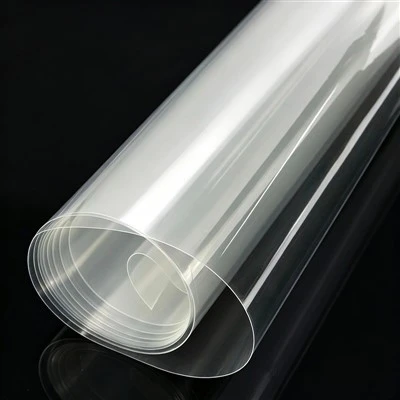
If you’re considering installing sunroof armor film on your vehicle, or if you have questions about protecting your existing film from car wash damage, don’t hesitate to reach out to us to discuss your specific needs. We’re happy to provide guidance on film types, installation best practices, and recommended car wash options to keep your sunroof protected for years to come.
Matte TPU Furniture Protection Film References
- International Organization for Standardization. (2018). Road vehicles – Protective films for automotive glazing – Specifications and test methods. ISO 12215:2018.
- Society of Automotive Engineers. (2020). Effects of automated car wash systems on exterior surface coatings and films. SAE International Journal of Materials and Manufacturing, 13(2), 456-468.
- Automotive Aftermarket Industry Association. (2021). Best practices for care and maintenance of automotive protective films. AAIA Technical Bulletin 2021-04.
Shaoxing Zirui New Material Technology Co., Ltd.
We are one of the most professional sunroof armor film manufacturers and suppliers in China, also support customized service. We warmly welcome you to wholesale cheap sunroof armor film for sale here and get quotation from our factory. For price consultation, contact us.
Address: Building 23, Phase II, Huanpu International Industrial Park, No.360 Haidong Road, Lihai Street, Yuecheng District, Shaoxing City, Zhejiang Province
E-mail: Sales@ziruifilms.com
WebSite: https://www.ziruifilms.com/
