If you’ve ever stood in a field after a harsh winter, staring at a half-spread pile of wood ash left from heating your workshop or tending to a small orchard, you’ve probably had the same thought: Can I just rent an ash spreader instead of buying one for a single job? This isn’t a trivial question—for small-scale farmers, hobby gardeners, or even contractors handling occasional ash applications, the cost of owning heavy, specialized equipment can feel hard to justify. As someone who’s spent the last eight years working as an ash spreader supplier, talking to customers every week about their needs, I’m here to break down the real answer, the ins and outs of renting this gear, and what you should know before you sign any rental agreement. Ash Spreader

First, let’s get one thing straight: ash spreaders are not the kind of equipment you’d rent on a whim for a casual weekend project. These aren’t leaf blowers or lawn mowers you can pick up at a local home improvement store; they’re purpose-built, durable machines designed to handle the unique properties of wood ash. Unlike seed or fertilizer, wood ash is fine, abrasive, and can clump up if it gets damp, so a spreader that works for grass seed won’t work here. For that reason, rental options for ash spreaders aren’t as ubiquitous as you might think, but they do exist—if you know where to look.
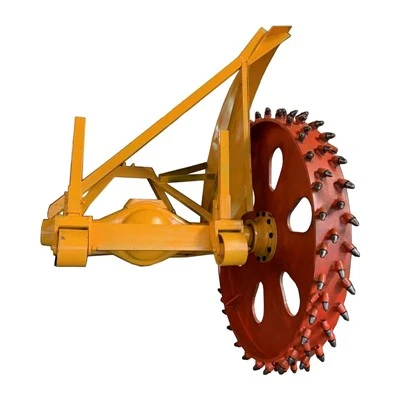
Let’s start with the different types of ash spreaders, because that shapes whether renting is even a feasible option. The most common models fall into three categories: tow-behind spreaders, mounted spreaders, and walk-behind spreaders. Tow-behind models are the largest, designed to pull behind a tractor, ATV, or UTV, with hoppers that hold 10 to 50 cubic feet of ash—perfect for large fields, orchards, or acreage. Mounted spreaders attach directly to a tractor’s three-point hitch, similar to a plow or seed drill, ideal for consistent, high-volume use on farmland. Walk-behind spreaders are smaller, with hoppers that hold 1 to 5 cubic feet, built for small gardens, raised beds, or residential properties under an acre.
When I first started in this business, a customer came to me panicking because he had a 10-acre organic orchard and needed to spread wood ash on his soil before the spring planting deadline. He’d called three local rental stores, and all they had was a walk-behind fertilizer spreader—useless for his needs, because fertilizer spreaders lack the adjustable augers and beaters that break up clumpy ash and distribute it evenly at the right rate. That’s a common mistake people make when searching for rental gear: they don’t realize ash spreaders are specialized. Fertilizer spreaders can work for light, dry applications, but if your ash is even slightly damp, or if you need to spread at a rate of 50 pounds per 1,000 square feet (a common recommendation for pH correction), a standard fertilizer spreader will clog, create uneven piles, or even damage the internal components.
So, who actually rents ash spreaders? The answer is mostly people with specific, time-bound projects. For example, a small tree service company might rent a tow-behind spreader for a week after a big winter storm, when they have a surplus of wood ash from customer fire pits and need to offer it as a free soil amendment service to their neighborhood clients. A hobby farmer might rent a walk-behind spreader for two weekends in the spring to amend their vegetable garden and fruit tree rows, instead of buying a unit they’ll use once a year. Even larger operations, like municipal parks departments, will rent a mounted spreader for a seasonal project instead of keeping it in a garage 10 months out of the year.
But before you head to the rental yard, there are critical questions to ask that I’ve learned to walk customers through, because one wrong call can end in missed deadlines or damaged (and expensive) equipment. First: do you need a tow-behind, mounted, or walk-behind model? As I mentioned earlier, size and terrain matter. If you have a half-acre backyard, a walk-behind is fine. If you’re spreading on sloped farmland or uneven orchard rows, a tow-behind with low ground clearance might not work, and a walk-behind could be too slow or hard to maneuver. Next: what’s the rental agency’s experience with ash spreaders? Not all rental staff know the difference between an ash spreader and a fertilizer spreader. I’ve had customers come back to me with spreaders that had broken augers, because the rental company had them listed as “general purpose” and didn’t warn them that wood ash is abrasive, so they needed to use a specific type of lubricant.
Then there’s the fine print of rental agreements, which is where I’ve seen customers get burned. Most ash spreaders are heavy, and damage during rental can cost hundreds of dollars in repairs. For example, if you overload the hopper on a tow-behind spreader, the axle can bend, or the chain that drives the spreader mechanism can snap—repairs for that can run $500 to $1,500, depending on the model. Many rental agencies charge a flat fee for damages, but some will bill you for replacement parts if you don’t report small issues like clogged screens before you return the unit. Also, ask about insurance: does the rental company’s policy cover accidents, or do you need to add a rider? If you’re renting to use on private property, that’s less of a concern, but if you’re working on public land, some rental agreements require additional liability coverage.
Another thing to consider: availability. Ash spreader rentals are seasonal, which makes sense—most people need to spread wood ash in the spring, when soil moisture is high and plants are starting to grow, or in the fall, after harvest, when soil tests show a need for pH correction. That means between March and May, and again in September and October, rental agencies often have a backlog of requests, and units can be booked weeks in advance. I once had a farm customer who waited three weeks to get a tow-behind spreader rented, and by the time he had it, the optimal window for spreading his ash had passed, because heavy spring rains made the soil too wet to benefit from the amendment.
Wait—what if you can’t find a rental at all? That’s not as uncommon as you might think, especially if you’re in a rural area or a suburban neighborhood with no specialized farm or equipment rental stores. Most general rental companies (like those that rent party tents or pressure washers) don’t carry ash spreaders, because they’re a niche piece of equipment with limited demand. In that case, what’s the alternative? As an ash spreader supplier, I often recommend to customers who can’t rent that they look into lightly used units, or even small, compact walk-behind models that are affordable enough to buy for occasional use. For example, a basic walk-behind ash spreader costs between $800 and $1,500, which is less than renting the same unit for three weeks (a typical rental period for a project) would cost. That’s a key point to weigh: calculate how many times you’ll use the spreader. If it’s more than two times a year, buying is often cheaper; if it’s a one-time or annual project that only takes a few days, renting makes sense.
I should also mention a common myth about renting ash spreaders: that you can just use a regular pickup truck to dump ash, right? No—spreading ash evenly is crucial, because too much ash can raise soil pH to unhealthy levels, killing plants, while too little won’t do anything. A good ash spreader has an adjustable dial that lets you set the spread rate, and internal beaters that break up clumps, ensuring every area gets the same amount. I once had a customer who tried to spread 200 pounds of ash on his garden with a shovel, and he ended up with a 10-foot patch of ash that killed all his tomato plants, and another patch that had none at all. That’s the risk of skipping specialized equipment, whether you’re renting or buying.
If you do decide to rent, here’s a step-by-step checklist I give to every customer to avoid headaches: First, contact rental agencies that specialize in agricultural or landscaping equipment, not general home rental stores. Those are the places that are most likely to have ash-specific spreaders. Second, schedule a test run, if possible, before you book the unit. Ask to bring a small sample of your ash (if it’s dry and clump-free) to see if the spreader handles it without clogging or leaking. Third, confirm the rental rate includes delivery and pickup, because tow-behind and mounted spreaders are heavy—you don’t want to be stuck towing a 500-pound unit home with your car and damaging your vehicle. Fourth, ask about age of the unit: newer spreaders with stainless steel augers are less likely to get damaged by abrasive ash, whereas older models with steel augers can wear out quickly if not properly maintained.
Now, let’s talk about a question I get all the time: is renting an ash spreader worth it, compared to buying? The short answer is: it depends on your project size and frequency. For a small garden or residential property with a couple of fruit trees, renting a walk-behind spreader for a long weekend will cost around $150 to $250, which is more than the cost of buying a basic unit. But for a 50-acre farm or an orchard, renting a tow-behind spreader for a week will cost $500 to $800, which is way less than the $3,000 to $7,000 a new tow-behind model would cost. That’s where renting makes total sense for large, one-off or seasonal projects.
I also want to note a safety point, because I’ve seen people overlook it. Wood ash has a high pH, so it’s caustic and can irritate skin and eyes. Most rental spreaders come with safety gear, like gloves and goggles, but you should always confirm that with the rental agency before you take the unit. Also, never spread ash on a windy day—even with a spreader, fine ash can blow onto nearby lawns, gardens, or even neighbors’ properties, causing damage or complaints.
At the end of the day, whether you can rent an ash spreader comes down to knowing where to look, understanding your needs, and being prepared to ask the right questions. It’s not always as simple as calling a rental place and picking up a machine, but it’s absolutely possible if you do your homework. As an ash spreader supplier, I’ve helped hundreds of customers navigate this exact decision, and I’ve seen first-hand how renting can save people money and hassle, as long as they go into it informed.
If you’re not sure whether renting is right for your project, or you need help finding a unit that fits your land and needs, don’t hesitate to reach out to discuss your requirements. We’re here to help you figure out the best solution for your soil amendment, orchard, or garden project.
Hand Held Chain Trenching Machine References:
- American Society of Agronomy. (2022). Soil Amendments: Wood Ash Application Guidelines for Agricultural and Horticultural Uses.
- Equipment Rental Association. (2023). Niche Equipment Rental Best Practices for Agricultural and Landscaping Professionals.
- University Extension. (2021). pH Correction for Home Gardens: Proper Application Rates and Equipment Recommendations.
- National Ag Safety Database. (2022). Safety Protocols for Using Abrasive Agricultural Equipment (Including Ash Spreaders).
Zhihao Highway Engineering Machinery Co., Ltd.
As one of the most professional ash spreader manufacturers and suppliers in China, we have world-leading production equipment and strong manufacturing capabilities. Please rest assured to wholesale customized ash spreader made in China here from our factory. For price consultation, contact us.
Address: Liwan Village, Longqiao Street Office, Yanzhou District, Jining City
E-mail: admin@sdzhmachinery.com
WebSite: https://www.zhroadmach.com/
