If you’re running a vineyard or managing a wine production operation, odds are you’re staring at piles of woody, tangled grapevine branches come pruning season. For a long time, most folks just hauled these branches to landfills, burned them (which is illegal in a lot of places now for air quality reasons), or let them rot in a corner—wasting a material that’s actually super useful for mulch, compost, or biomass fuel. But if you’ve got a belt type wood chipper sitting around, you might be wondering: can that machine actually handle grapevine branches, or are these slender, gnarly stems going to jam it up and turn your day into a repair nightmare? Belt Type Wood Chipper
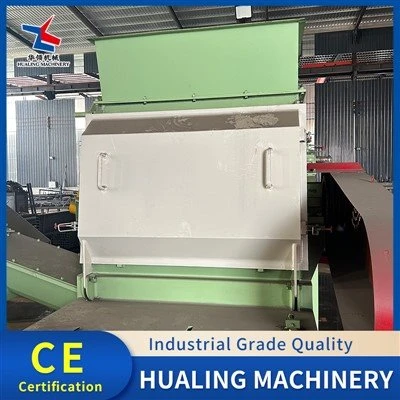
As a belt type wood chipper supplier who’s talked to hundreds of vineyard owners over the years, I get this question all the time. The short answer is: yes, most of the time, but there are a few key things you need to know to make it work right, and avoid the mistakes that turn a simple chipping job into a headache. Let’s break this down like I would chat with a friend over coffee—no stuffy industry jargon, just real info from guys who’ve been there.
First, let’s start with why belt type chippers are different from the other wood chippers you might have seen. A lot of folks mix up belt chippers with drum chippers or disk chippers, but the core difference here is the feed mechanism. Instead of big, heavy metal drums or spinning disks that yank branches into the cutting chamber, belt type chippers use a pair of rubber (or sometimes steel-wrapped) belts that pull material straight into the blades. That might sound simpler, but it’s actually a big deal when you’re working with grapevines—because grape branches aren’t like the thick, solid oak logs you’d chip for fence posts.
Grapevine branches, especially the ones you prune in late winter or early spring, are usually between ½ inch and 2 inches thick. They’re flexible, not super dense, and often twisted or tangled into clumps after a year of growing. That flexibility is both a plus and a minus for belt chippers. On one hand, the belts’ grip works great for pulling those bendy stems in—way better than a drum chipper, which can struggle to grab thin, wiggly material that slips under its rollers. On the other hand, if you load too many tangled branches at once, they can wrap around the belts or bunch up in the feed chute instead of feeding evenly into the blades. That’s the #1 mistake I see new vineyard owners make: shoveling armfuls of prunings into the hopper like they’re loading firewood, instead of prepping the branches first.
Wait, let’s get to that prep part, because it’s non-negotiable. You can’t just take a pile of 10-foot grapevine trimmings and feed them straight into the chipper. Grape branches tend to be long (up to 12 feet if you don’t prune them right) and twisted, so if you feed a 10-foot tangled clump, it’ll hang halfway out of the hopper, wrap around the feed belts, and jam the machine. What works best? Trim the branches down to 2 to 3 foot lengths first. That’s short enough that they won’t bunch up, but long enough that you don’t spend all afternoon sawing tiny pieces. If you have really thick mature grapevines (like the main cordons, which can hit 3 inches sometimes), those are a bit trickier—you might want to feed those one at a time, since even belt chippers can struggle with super thick, dense wood if you overload them.
Now, what about the blades? Belt type chippers use either fixed blades or swing blades, right? For grapevines, either works, but fixed blades tend to hold a sharp edge longer when you’re chipping soft, green wood. Swing blades can sometimes bounce off thin, flexible branches instead of cutting through them, especially if the blade is dull. That’s another thing: if you haven’t sharpened your chipper blades in a while, chipping grapevines is a bad idea. Dull blades will crush the grape branches instead of cutting them, which turns them into stringy, messy pulp that doesn’t chip well—and can also jam the machine way faster than clean cuts. I always tell customers: sharpen your blades before you tackle grapevines, no exceptions.
Let’s talk about the benefits of chipping grapevines with a belt chipper, because that’s why you’d bother, right? First, grapevine mulch is perfect for vineyard rows. It’s light, breaks down fast, and adds nutrients back into the soil—way better than hauling it to the dump, which saves you disposal fees and reduces your carbon footprint. A lot of small to mid-sized vineyards don’t have a separate chipper just for grapevines, so using your existing belt type chipper is a game-changer. Also, belt chippers are usually more affordable than heavy-duty drum chippers, and they’re easier to move around a vineyard—most are trailer-mounted, so you can tow them between rows without needing a big truck or a special trailer. That’s a huge win for small vineyards that can’t justify buying two separate machines.
But wait, are there any cases where a belt type chipper isn’t a good fit for grapevines? Yeah, if you’re dealing with really old, woody grapevines—like the ones that are 5 years or more, with thick, dense trunks. Those are tougher; you might need a bigger, more powerful chipper (either a heavy belt model or a drum chipper) to handle them without overworking your machine. Also, if you’re chipping grapevines that have had disease—like powdery mildew or black rot—you have to make sure the chips get hot enough (over 140°F) to kill the pathogens. Belt chippers work for this if you run the chips through a secondary compost pile, but if you’re just chipping and spreading them straight, you might want to check the disease status first. But that’s not a problem with the chipper itself, just a best practice for vineyard management.
Now, let’s talk about common mistakes I see that lead to people saying “my chipper doesn’t work for grapevines.” The first one is overloading the hopper. Like I said earlier, a lot of folks think if they shovel more branches in at once, they’ll finish faster—but that’s the fastest way to jam. The rule of thumb for belt chippers is: feed material one small bundle at a time, or individual pieces, not armfuls. If the feed chute starts to make a weird grinding noise or the belts slow down, stop feeding for 10 seconds, let the blades catch up, then go back. Second mistake: not removing debris. Grapevine branches can have thorns, leaves, or even small fruit clusters on them. Those thorns can get stuck in the feed belts and wear them out faster, so just brush off the big thorns before you feed the branches. Leaves and small stems are fine, though—they don’t cause issues, and they’ll chip right up into mulch. Third mistake: running the chipper too slow. Belt chippers run on engine power, right? If you throttle the engine down to save gas, the belts won’t pull the branches in as well, and you’ll end up with crushed branches instead of clean chips. Keep the engine at full throttle (as recommended by your machine’s manual) for grapevines, and you’ll get better results.
Let me give you a quick real example—last year, a client of mine who runs a 40-acre vineyard in Oregon told me he used to burn all his grape prunings because his old drum chipper would jam so bad on grape branches. He upgraded to a belt type wood chipper, followed the prep steps (trimming branches to 3 feet, sharpening blades), and now he chips all his prunings in half the time, saves $1,200 a year on landfill fees, and uses the mulch to keep his vineyard rows moist. That’s the kind of win I love seeing.
If you’re not sure if your current belt chipper can handle grapevines, here’s a quick check: look at the machine’s capacity. Most standard belt type chippers can handle material up to 3 inches thick, which is perfect for grapevine branches. If your chipper is rated for less than 1 inch, then it’s probably too small for grapevines—stick to thinner material like tree trimmings instead. But if it’s in the 2 to 3 inch range, you’re good to go.
Now, a few pro tips from the people who use these machines every day. First, wear the right gear: safety glasses, work gloves, closed-toe boots, and ear protection. Grapevine thorns can poke through thin gloves, and flying chips can hurt if you’re not careful. Second, keep the hopper clear at all times—never reach into the feed chute while the machine is running, even if you think a branch is stuck. Turn off the engine, disconnect the spark plug, and clear it manually. That’s just common sense, but it’s worth repeating. Third, if you’re making biomass fuel from the grapevine chips, make sure you dry the chips first. Wet chips from green grape branches won’t burn as well, so spread them out in a thin layer for a few days before bagging or using them for fuel.
At the end of the day, a belt type wood chipper is totally capable of chipping grapevine branches—you just have to approach it the right way, not treat grapevines like oak logs. The prep work, blade maintenance, and feeding method are way more important than the machine type itself.
If you’re in the market for a belt type wood chipper that’s built to handle grapevine branches (and all kinds of other yard or farm material) without the jams and headaches, or you have questions about chipping grapevines with the machine you already have, feel free to reach out to our team for a no-pressure chat about your needs. We’re here to help you find the right setup for your vineyard or operation.
Wood Chipper Machine References
- University of California Agriculture and Natural Resources. (2021). Pruning Waste Management for Vineyards.
- American Society of Agricultural and Biological Engineers. (2019). Performance Standards for Wood Chippers Used in Agricultural Operations.
- Vineyard Management Journal. (2022). On-Farm Composting of Grapevine Prunings: Best Practices.
- Equipment Tech Today. (2020). Belt vs. Drum Chippers: Use Cases for Small to Mid-Sized Farms.
Shandong Hualing Machine Manufacturing Co., Ltd.
As one of the most professional belt type wood chipper manufacturers and suppliers in China, we also support customized service with low price. Please rest assured to buy discount belt type wood chipper in stock here from our factory. If you have any enquiry about quotation, please feel free to email us.
Address: Industrial Park, Dagong Village, Changshan Town, Zouping City, Shandong Province
E-mail: hualing@sdhualing.com
WebSite: https://www.hualingmachine.com/
