If you’ve ever stood at a construction site, a landscape design project, or even a local agricultural testing lab, chances are you’ve heard the term “limestone powder” tossed around—maybe as a cheap filler in concrete, a soil amendment for alkaline-loving plants, or a key ingredient in industrial flue-gas desulfurization. As someone who’s spent 12 years in the limestone powder supply business, I get it: most people who reach out to us first want to know how much it costs, or how much they need for their project. But the question that usually leads to a long, valuable conversation isn’t “What’s the price?”—it’s “What’s in it?” Too many suppliers cut corners to undercut prices, mixing in inert debris or lower-quality carbonate rock, so I’ve made it a point to break down the chemical makeup of limestone powder straight, no jargon, no fine print. Let’s get into it. Limestone Powder
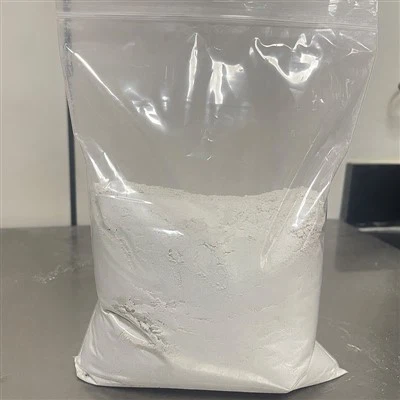
First, let’s start with the basics of what limestone actually is, because its powder is just crushed, milled, and processed limestone rock. Limestone is a sedimentary rock formed over 300 to 400 million years ago, mostly from the compressed and fossilized remains of marine organisms like coral, shellfish, and plankton. Those creatures build their skeletons and shells from calcium carbonate, so that’s the backbone of the rock—and by extension, the powder. For 90% of commercial limestone powder, the primary component is calcite, a crystalline form of calcium carbonate with the chemical formula CaCO₃. That’s non-negotiable for high-grade, consistent powder; if a batch has less than 90% CaCO₃, it’s not suitable for most industrial or agricultural uses, and I won’t sell it to clients who need reliable results.
Now, the other 10%—wait, no, actually, it varies. Pure calcite limestone is rare; most natural limestone has small amounts of impurities that get ground into the powder too. The most common secondary component is dolomite, another calcium-magnesium carbonate with the formula CaMg(CO₃)₂. Dolomite-laden limestone, sometimes called dolomitic limestone, is popular for agricultural uses because it adds magnesium to soil, which is critical for plant chlorophyll production. But it’s not ideal for concrete, where extra magnesium can weaken the mix over time. That’s why I always clarify with clients: if you’re making pre-cast concrete for a sidewalk, you want high-calcium limestone powder (over 95% CaCO₃, less than 5% MgCO₃), not the dolomitic stuff we stock for farms.
Next up are trace elements, the ones that make or break a powder’s performance. These are present in parts per million (ppm) to small percentage ranges, but they matter a lot. Iron, for example, is usually around 0.1 to 0.5% in limestone powder. Small amounts aren’t a problem—they’re even a micronutrient for some plants—but too much (over 1%) can discolor concrete mixes, turning them gray or tan instead of the bright white many architects prefer for decorative projects. Then there’s silica, often present as quartz, usually between 0.2 and 1% in commercial powder. Silica is inert, so it doesn’t react in most mixes, but if it’s over 2%, it can create dust hazards during processing, so our plant has mandatory dust masks and ventilation systems to keep workers safe. There’s also aluminum, potassium, and sodium, usually in trace amounts less than 0.1% each. These don’t affect core uses, but they can be a consideration for specialty applications, like pharmaceutical fillers, where even tiny contaminants matter.
Wait, let’s talk about a common misconception: “limestone powder” vs. “lime powder.” A lot of clients mix these up, and it’s a critical difference chemically. Limestone powder is just crushed rock, so it’s calcium carbonate—an inert, insoluble compound at room temperature. Lime (or quicklime) is CaO, produced by heating limestone to over 800 degrees Celsius in a kiln, which breaks down the CaCO₃ into calcium oxide and carbon dioxide. Lime is reactive, used in water treatment and soil pH correction for acidic soils that need fast results, while limestone powder is slower-acting, good for long-term soil health or as a filler. I always make sure to note that in my communications, because mislabeling the two can cost a client thousands in project delays.
Now, let’s get into how processing affects the chemical composition. When we mill limestone rock into powder, we’re not changing the chemical structure—we’re just reducing particle size, usually to between 325 mesh (45 microns) and 200 mesh (75 microns), depending on the order. That said, the refining step does remove some impurities. We wash the crushed rock to remove clay and silt, which are common in limestone deposits near rivers, and we magnetic separate to pull out iron and steel debris from the mining and crushing equipment. That’s why our powder has consistent chemistry—we test every batch with X-ray fluorescence (XRF) spectroscopy before it leaves the plant, so clients get a certificate of analysis (COA) that lists exact CaCO₃, MgCO₃, and trace element levels. For example, last month a concrete supplier ordered powder for a bridge deck, and our COA showed 96.2% CaCO₃, 2.8% MgCO₃, 0.3% iron, and 0.5% silica—exactly the specs they needed to meet their project’s strength requirements.
Let’s break down the practical impact of that chemical makeup for each of our key clients, because that’s what matters most. For agricultural customers, calcium and magnesium are the big draws. CaCO₃ acts as a liming agent to raise soil pH, neutralizing acidity that stunts crop growth, while MgCO₃ provides magnesium for corn, tomatoes, and fruit trees. If a client is growing leafy greens, which need extra magnesium, we suggest our dolomitic powder with 10% MgCO₃. If they’re growing wheat, which prefers a higher calcium ratio, we point them to our high-calcium powder. For concrete production, the CaCO₃ acts as a filler to reduce cement usage (cutting costs and carbon emissions) while improving workability. The silica content here is a bonus—small amounts can actually strengthen the concrete mix by reacting with cement’s cementitious compounds. For industrial uses, like flue-gas desulfurization at power plants, the CaCO₃ reacts with sulfur dioxide emissions to reduce acid rain-causing pollutants—so purity here is non-negotiable; batches with less than 90% CaCO₃ can’t meet EPA standards.
I’ve had too many bad experiences with clients who bought cheap, untested limestone powder from overseas suppliers, only to find it had too much clay, which clogs filters in their production lines, or too much magnesium, which made their concrete crack. That’s why we started publishing our COAs on our website, and why I always encourage new clients to ask for a test sample before placing a large order. Last year, a small construction company in the Midwest ordered 50 tons of powder from a supplier that didn’t test their batches, and half of it had 3% silica—way over the safe limit for their workers, so they had to shut down their site for three days while they replaced it. We were able to offer them a custom blend of high-calcium powder with less than 1% silica, and we’ve been their go-to supplier ever since.
Now, let’s address a question I get all the time: “Is limestone powder environmentally friendly?” The chemical makeup plays a big role here. Since it’s mostly calcium carbonate, a compound found naturally in rock, it’s non-toxic and inert, so it doesn’t leach harmful chemicals into soil or water. That’s why it’s approved for organic farming in many countries—no synthetic additives, just natural minerals. When it’s used in concrete, it reduces cement usage, which is responsible for 8% of global carbon emissions, so our powder helps lower the carbon footprint of construction projects. The only environmental consideration is mining: we work with local quarries that have reclamation plans, restoring mined areas to native grassland or wetland once operations are done.
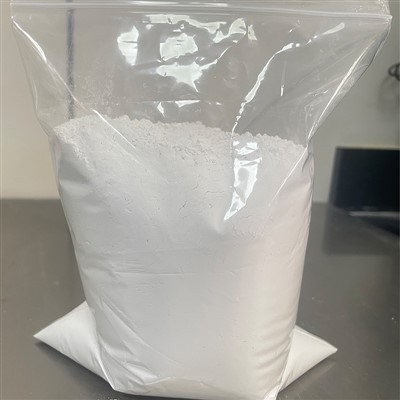
At the end of the day, the chemical composition of limestone powder isn’t just a number on a lab sheet—it’s what makes it work for your project. Whether you’re a farmer looking to balance soil pH, a concrete builder needing a reliable filler, or an industrial client needing to reduce emissions, the exact ratio of CaCO₃, MgCO₃, and trace elements determines how effective the powder will be. As a supplier with 12 years in the business, I don’t just sell powder—I build trust by being transparent about what’s in every batch, testing rigorously, and matching the right powder to the right job. If you’re working on a project and need a reliable, consistent limestone powder, or if you have questions about your current supply, I’m here to walk through your needs, share test samples, and help you find the right product. Don’t hesitate to reach out to discuss your requirements and get a custom quote tailored to your project.
Dolomite Powder References
- Adams, A. E., Mackenzie, W. S., & Guilford, C. (2014). Atlas of Sedimentary Rocks (2nd ed.). Wiley.
- American Society for Testing and Materials (ASTM). (2021). Standard Specification for Limestone Powder for Use in Concrete (ASTM C150/C150M-21).
- Havlin, J. L., Tisdale, S. L., Nelson, W. L., & Beaton, J. D. (2014). Soil Fertility and Fertilizers: An Introduction to Nutrient Management (8th ed.). Pearson.
- World Health Organization (WHO). (2020). Safety and Health in Limestone Mining and Processing.
- Kar, G., et al. (2019). Chemical Characterization of Commercial Limestone Powders for Industrial Applications. Journal of Applied Geochemistry, 107, 112-120.
Chaohu Jirun Energy Conservation and Environmental Protection Technology Co., Ltd.
We’re well-known as one of the leading limestone powder manufacturers and suppliers in China, also support customized service. Welcome to wholesale high quality limestone powder in stock here from our factory. If you have any enquiry about pricelist, please feel free to email us.
Address: No. 9, north of the intersection of Weihai Road and Weili Avenue, within the industrial park of Yinping Town, Chaohu City, Hefei City, Anhui Province.
E-mail: 13305654485@163.com
WebSite: https://www.chaohujirun.com/
