Hey everyone, if you’ve ever stepped into a steel mill, you’ve probably heard the term “ferro silicon” thrown around like it’s the backbone of good steel. As someone who’s been supplying ferro silicon to steelmakers for over a decade, I can’t tell you how many times I’ve gotten the question: “How does this stuff actually play nice with other alloying elements in steel?” It’s not like just dumping it in the mix—there’s a science to it, and skipping that part leads to some pretty bad outcomes (think cracked parts, rust that shows up way too soon, or steel that just doesn’t hold its strength). Let’s break this down like we’re chatting over a coffee (no stuffy lab jargon, promise) and I’ll even throw in some real-world stuff I’ve seen working in our warehouse and at client plants. Ferro Silicon
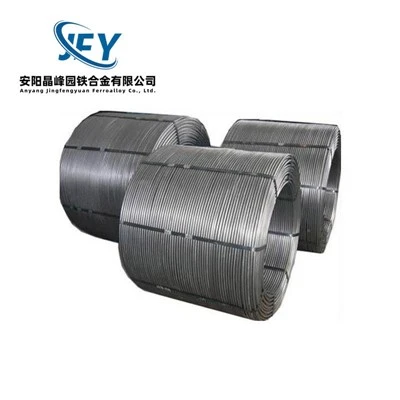
First, let’s start with the basics: what is ferro silicon, anyway? For the uninitiated, it’s an alloy made of iron and silicon—usually 75% or 90% silicon, depending on the grade—we smelt it in electric arc furnaces. When you add it to molten steel, it does two big initial jobs: deoxidizing (kicking out all that unwanted oxygen that forms bubbles and weakens steel) and adding silicon as an alloying element. But here’s the kicker—silicon doesn’t work alone. Steel is basically iron with a bunch of tiny bits added, each doing their own thing, and their vibes mix (or clash) with ferro silicon all the time.
Let’s talk about the most common alloyers first: manganese, carbon, chromium, and aluminum. These are the ones steel teams reach for most, and I’ve seen every reaction between them and ferro silicon. Take manganese, for example. Manganese’s main gig is helping steel harden and resist wear, right? When you add ferro silicon to steel that already has manganese, they team up way better than a pair of work boots and gloves. Wait, why? Let’s get quick: both silicon and manganese are deoxidizers, so they don’t fight over grabbing oxygen. Instead, they form what’s called silicate inclusions—tiny, harmless particles that float to the top of the molten steel and get skimmed off. I had a client a couple years back making heavy-duty construction beams—they were using too much manganese and noticed their beams had internal cracks. We tweaked their ferro silicon addition timing: add manganese first, wait 5 minutes, then add our 75% ferro silicon. Boom—no more cracks. That’s the kind of small, interaction tweak that makes a huge difference. The key here is that manganese and ferro silicon don’t compete; they complement each other, as long as you get the order right.
Then there’s the one that causes way more headaches: carbon. Carbon is everywhere in steel—it’s what makes steel hard or soft, depending on how much you add. Here’s where ferro silicon and carbon can butt heads if you’re not careful. Silicon has this weird property where it actually reduces the amount of carbon that can dissolve in molten steel. Like, if you add too much ferro silicon too fast to high-carbon steel, you end up with “graphitization”—tiny flakes of graphite that make steel way weaker, like a pencil lead embedded in the metal. I’ve had a specialty steel maker call me in a panic once because their automotive crankshafts were failing stress tests. Turns out, they were adding our ferro silicon at the same time as their coke (the carbon source). We adjusted their ratio: cut carbon by 0.15% and split the ferro silicon into two small additions instead of one big one. Fixed it right up. The takeaway here: ferro silicon and carbon don’t mix well if added haphazardly—silicon suppresses carbon’s solubility, so you have to adjust your carbon levels accordingly. It’s not a fight, it’s a balance.
Next up, chromium—super important for stainless steel, since it’s what stops rust. How does chromium get along with ferro silicon? Let’s just say they’re frenemies. Chromium is also a deoxidizer, so like manganese, it pairs well with silicon, but only if you’re targeting stainless steel specifically. Wait, but too much silicon with chromium? If you have more than 2% silicon in chromium-bearing steel, you can start forming chromium silicides—those are hard, brittle particles that make steel crack when you bend or machine it. I worked with a stainless steel fabricator last year making food-grade tank parts. They had been using our ferro silicon to deoxidize but added it before chromium. We told them to add chromium first, let it mix for 10 minutes, then add our ferro silicon at 0.8% max. Their parts passed all FDA adhesion tests, no brittleness issues. The sweet spot for chromium and ferro silicon? Keep silicon under 1.5-2% if chromium’s in the mix, and add chromium first to avoid competition for oxygen.
Now, aluminum—this one’s a wild card. Aluminum is a strong deoxidizer, used a lot for fine-tuning steel grain size, especially in high-strength low-alloy (HSLA) steel. Here’s the thing: aluminum and ferro silicon can form aluminum silicate inclusions, but only if you add aluminum too soon after ferro silicon. Wait, why? If you add ferro silicon first, it grabs most of the oxygen, then aluminum has nothing left to grab, so it just floats as large alumina particles—those are super abrasive and will wear out your rolling mills faster than you can change a filter. I had a client making steel rebar for highway bridges—their rebar was scratching their production line rollers. We suggested flipping the order: add aluminum 3 minutes before ferro silicon. That way, aluminum grabs a little oxygen first, then ferro silicon takes care of the rest, forming tiny, harmless aluminum-silicate particles instead of big alumina ones. Their roller wear dropped by 25% in the first month. Game changer.
I also want to touch on the less common ones, just because I’ve seen them surprise people—nickel, copper, and titanium. Nickel adds toughness, like for heavy machinery parts. Nickel and ferro silicon work pretty well together, actually—silicon doesn’t mess with nickel’s ability to harden steel, as long as you keep silicon under 2%. Copper is tricky, though—too much copper makes steel “hot short” (cracks when hot rolling). Ferro silicon can make that worse if you add too much, because silicon raises the temperature at which copper causes hot shortness. Titanium is another one: titanium forms titanium nitride, which is good for grain size, but if you add titanium after ferro silicon, you get titanium silicides, which are brittle. Add titanium first, wait, then ferro silicon—same as aluminum, basically.
Wait, let’s not forget why this actually matters for you, the steel maker, and why I care so much about getting these interactions right. As a ferro silicon supplier, my job isn’t just to ship a bag of 75% Si and call it a day. I send out tech sheets with every order that has specific addition times and ratios based on what alloyers you’re using. Last quarter, we had a structural steel client who was switching from manganese to a mix of manganese and chromium for their I-beams. They almost messed up the order, but our in-house metallurgist hopped on a call with their plant manager in 10 minutes, walked them through adding chromium first, then manganese, then our 90% ferro silicon. No hiccups, and their beam yield strength went up 8%. That’s the kind of support you don’t get from random online alloy sellers—we’re on the ground, seeing these interactions every day, so we can help you avoid mistakes.
A lot of new steel folks think alloying is just throwing stuff in and stirring. Nope. It’s a sequence of events, ratios, and timing that turns molten iron into steel that can hold a bridge, a car, a wind turbine blade, or a kitchen sink. Ferro silicon is the glue that holds a lot of these interactions together, but only if you treat it right—don’t add it at the wrong time, don’t add too much at once, and don’t pair it with carbon without adjusting.
I also want to mention the grades of ferro silicon, because that changes interactions too. Our 75% FeSi is for general deoxidizing and pairing with manganese, while our 90% FeSi is for higher-strength steels where you need more silicon without extra iron, and it plays nicer with chromium and nickel. We even have a low-carbon ferro silicon for stainless steel, because regular ferro silicon has a bit of carbon, which you don’t want in food-grade or high-grade stainless. That’s the kind of detail that makes a difference—if you use the wrong grade, even if you get the timing right, you’ll still have issues.
Let me wrap this up with some quick, actionable takeaways I send all my clients: 1. When working with manganese: add Mn first, then FeSi, wait 5 mins, no more than 1.2% FeSi for low-carbon steels. 2. Working with carbon: split FeSi into two additions, keep total Si under 1% for high-carbon steels, adjust carbon down if needed. 3. Working with chromium: add Cr first, wait 10 mins, keep Si under 1.5% to avoid brittleness. 4. Working with aluminum/Ti: add those first, wait 3-5 mins, then add FeSi to avoid bad inclusions.
Alloy If you’re a steel maker who’s been dealing with weird steel defects, or just want to optimize your alloying process to save money (too much FeSi is wasted money, by the way), hit us up. We don’t just sell ferro silicon—we’ve got guys on call 24/7 who’ve solved these exact problems for hundreds of mills. No stuffy contracts, no hidden fees, just real advice from people who know ferro silicon and steel inside and out. You can’t get that from a textbook—you get that from years of loading, shipping, and troubleshooting every day, which is exactly what we do.
References
- The Making, Shaping and Treating of Steel, 11th Edition, Association for Iron and Steel Technology (AIST)
- Fundamentals of Metallurgy, S. Seetharaman, Woodhead Publishing
- Ferroalloys: Production, Properties, and Applications, R.T. Jones, Elsevier
Anyang Jingfengyuan Ferroalloy Co., Ltd.
As one of the most professional ferro silicon manufacturers and suppliers in China, we’re featured by quality products and good price. Please rest assured to buy bulk ferro silicon in stock here and get quotation from our factory. We also accept customized orders.
Address: Longquan Town Industrial Park, Long’an District, Anyang City, Henan Province
E-mail: Jingfengyuan@jfyferroalloys.com
WebSite: https://www.jfy-ferroalloy.com/
