Hey there, fellow snack lover (and fellow business owner who’s probably been stuck staring at a batch of snack boxes wondering if they’re safe to ship out)! If you’re reading this, you’re either a small café owner looking to stock your shelf, a corporate planner building employee care kits, or maybe even a random person scrolling who just found a snack box at a farmers market and is second-guessing grabbing it—same, I’ve been there. As someone who’s spent the last 4 years running a little snack box supply spot (and yeah, I’ve definitely had my share of “wait, did that cookie go stale 2 weeks ago?” panics), let me break down how to actually tell if a snack box is fresh—no fancy lab tests, just real stuff I use every single day. Snack Box

First off, let’s cut the crap: “fresh” doesn’t mean every single snack has to be cold, right? Wait, no—wait, hold on, that’s a super common myth! A lot of people assume if something’s not refrigerated, it’s automatically not fresh, but that’s not true. Think about a bag of tortilla chips you keep in your pantry for a month—those don’t need to be cold, and if they’re stored right, they’re still crunchy and fine. Fresh for snack boxes is less “feels cold” and more “each item is in the condition it’s supposed to be, no weird signs of spoilage, and it got made recently enough.” Let’s start with the first thing I check before even touching a box: the batch and use-by dates.
Wait, not just looking at the date—reading it. So many brands (even me, oops sometimes) slap a generic “best by 10/24” that’s super vague. But a real snack box supplier will print individual use-by dates for perishable stuff inside, and the master batch date on the bottom of the box. Like, if you open a box of ours, you’ll see a little code: “MB 09/12/24” which means master batch made on September 12, 2024, and then every yogurt, cheese stick, or hummus pack inside has its own “use by 09/19/24” or whatever. I never ship a box where the nearest use-by date is less than 3 days away, and I always make sure the master batch is within the last 7 days max. Why? Because even non-perishable stuff like cookies start going stale fast if they sit in a warehouse for 2 weeks. Oh, and pro tip: if the supplier won’t show you the batch date? Run. That’s a red flag. I’ve had a competitor hit me up once to say they’d sell me a pallet of “discount snack boxes” and they wouldn’t share their batch dates—turns out they were 3 weeks old, no thanks.
Next up, open the box (safely, obviously—don’t just tear it open and spill crumbs everywhere) and do the smell test. This is so basic but most people skip it. Let’s break it down by snack type, because different snacks smell different when fresh vs. off. For example: fruit snacks should smell like actual fruit, not that fake chemical grape smell that lingers when it’s gone bad. Yogurt or cheese sticks? They shouldn’t smell sour or like ammonia—if they do, that’s a hard pass, no matter what the date says. For baked goods like cookies or granola bars? Fresh chocolate chip cookies should smell like warm butter and vanilla, not like stale flour or cardboard. And if you open a nut pack? Fresh nuts smell nutty, not rancid—rancid nuts are a weird, bitter smell that’s hard to miss once you know it. I actually keep a little notebook where I wrote down what bad nuts smell like so I can spot them fast when I’m checking inventory—sounds dorky, but it saved me from shipping out a whole batch last month that had a bad bag of almonds.
Then, the texture test. This is where you can really tell if something’s been sitting too long, right? Let’s go through common snack box items. Chips, pretzels, crackers: fresh ones are crunchy, no “sogginess” or soft spots—if they’re soft, they’ve absorbed moisture, either from being stored wrong or being too old. Granola bars: they should be chewy, not crumbly or rock-hard. If a granola bar crumbles when you pick it up, it’s stale. Fresh dried fruit (like apricots, cranberries): they’re plump and a little sticky, not dry as a bone or sticky with extra sugary syrup (that’s a sign they’ve been sitting forever and the sugar crystallized). Fresh cheese sticks: they’re smooth, not crumbly or rubbery. Even things like jerky—fresh jerky is tender, not chalky or brittle. I actually do a random texture check on 10% of every box I pack—no exceptions. Last week, I found a bag of pretzels that were soft because the bag had a tiny tear, so I pulled the whole batch before it went out, saved me from a nasty email later.
Wait, what about the stuff that’s supposed to be cold, like refrigerated snack boxes for office deliveries? That’s a whole other category. If you’re ordering a chilled snack box, first check the packaging: it should have frozen ice packs still solid, or at least cold enough that the inner packaging feels cool to the touch, not room temperature. If the ice pack is totally melted and the box is warm? That means it sat in a truck or on a loading dock all day, which is a huge risk for spoilage. I always use 2 oz frozen gel packs for my chilled boxes, and I ship them via next-day delivery only—no exceptions. Last quarter, a customer in a different city asked for 50 chilled boxes and wanted me to ship standard ground, I had to say no because that would mean they’d sit for 3 days, way too long for yogurt and cheese. Also, for chilled stuff, even if the date looks good, if it’s warm when you get it, toss the perishables inside. I once ordered a chilled box from a big chain once, the ice pack was melted, and the hummus inside smelled sour—total waste.
Another thing people forget: packaging integrity. A snack box can look fine on the outside, but if any of the inner snack packs are damaged, that’s a problem. Tiny tears in a chip bag mean the chips are going stale fast, and they can get moldy too. A tear in a yogurt cup means it’ll leak and get everything else yucky, and also bacteria can get in. I check every single inner pack before I seal the box—no matter how big or small. One time, a supplier messed up and sent me granola bar packs with tiny holes, so I had to repack 20 boxes, but it was worth it to not have customers complaining about stale bars.
Wait, let’s talk about what “fresh” even means for different use cases, because that’s a big one for businesses. If you’re a café stocking snack boxes for customers to grab on the way, you can’t have a use-by date less than a week away. If you’re a corporate office ordering boxes for employees, you can ship non-perishable ones that are up to 2 weeks old, but still check the batch date. But if you’re a school ordering snack boxes for after-school programs? All perishables need to be within 2 days of their use-by date, no exceptions—kids can’t risk spoiled food. I actually tailor my boxes based on who’s buying them, which I think a lot of suppliers don’t do. Like, for schools, I stick to fresh fruit, cheese sticks, and short-dated granola bars, and for corporate offices, I can do a mix of longer-dated stuff plus a couple of refrigerated snacks that stay cold for a week.
Now, let’s get into the common mistakes people make when judging freshness. Number one: going only by the “best by” date. That date is a guideline, not a law. A lot of snacks can be fine a day or two past their best by, but if it’s a week past, that’s a problem. And number two: assuming non-perishable snacks are automatically fresh. I see so many snack boxes with cookies that are 2 months old—they’re fine to eat, but they’re stale, not fresh. I’d rather pay a little more for a supplier who uses fresh, recently baked cookies than get cheap ones that are stale. Number three: ignoring the source. If you’re buying from a random online shop with no reviews, that’s way riskier than buying from a local supplier who shows you their kitchen. I’ve heard horror stories of people ordering snack boxes from Amazon and getting ones that are months old, with mold on the dried fruit.
So, what should you do if you’re buying a snack box and want to confirm it’s fresh? Step one: ask the supplier for the batch date. A real, reputable one will send it to you without hesitating. Step two: when you get it, check the ice packs (if chilled) and the outer box for damage. Step three: open one box from your order and do the smell and texture test on a few random snacks. If anything smells off or feels stale, contact the supplier right away. Step four: make sure the nearest use-by date on any perishables is at least 3 days away, max.
Now, for my fellow snack box suppliers out there (and anyone who’s tired of selling stale boxes): let’s be real, freshness is everything. If your customer gets a stale box, they won’t come back, and they’ll tell their friends. That’s why I built my business around freshness—every batch is made within 7 days of shipping, I track every single batch’s date, and I test every box before it leaves my small warehouse.
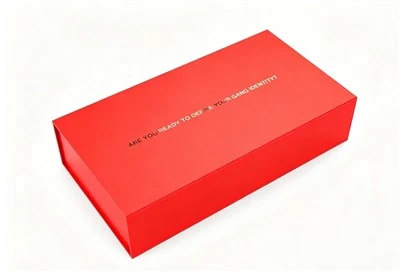
If you’re a business owner, event planner, or anyone looking for consistent, fresh snack boxes, hit me up to chat through what you need—whether it’s office snacks, corporate care packages, kid-friendly boxes, or even custom ones for your café. No weird hidden fees, no stale inventory, just fresh snacks that actually taste good and are safe to eat.
Shoe Box References:
- U.S. Food and Drug Administration. (2023). Food Storage Guidelines for Packaged Foods.
- National Association of Snack Food Manufacturers. (2024). Best Practices for Snack Box Freshness and Shelf Life.
- Centers for Disease Control and Prevention. (2022). Refrigerated Food Safety Tips for Delivery and Storage.
Dongguan Jinying Printing Co., Ltd.
As one of the most experienced snack box manufacturers and suppliers in China and Vietnam, we also support custom service and OEM service. Welcome to buy bulk luxury snack box at competitive price from our factory. If you have any enquiry about cooperation, please feel free to email us.
Address: No. 5, 1st Road, Jingshan Third Industrial Zone, Chashan Town, Dongguan City, Guangdong Province
E-mail: inquiry@dg-jinying.com
WebSite: https://www.gpspacking.com/
