If you’ve ever spent time on a solar project site, you know that PV systems aren’t just panels—they’re a whole ecosystem of parts, most of which people rarely think about until something goes wrong. I’m the owner of a PV accessories supply company, and every week, I get the same call: “My system’s 10 years old, the mounting clamps are corroding, the combiner box fuses keep blowing, and the inverter’s working but not hitting its rated output. Can I just replace the broken stuff, or do I need to pull everything out and start over?” For a long time, the default answer was “pull it out”—but lately, we’re seeing more and more projects where old PV accessories aren’t just repairable, they’re upgradeable. Today, I want to break that down, no fancy jargon, just what I’ve learned sitting across from installers, maintenance techs, and even homeowners who thought their system was at the end of its life. PV Accessories
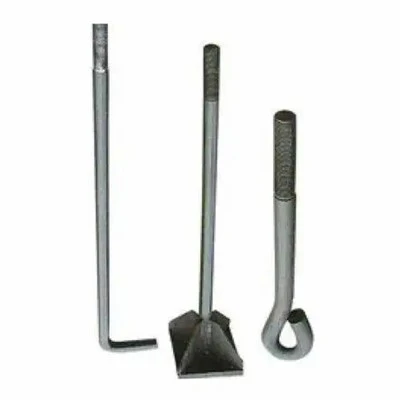
Let’s start with the big myth: older PV systems are like old refrigerators. If a part’s worn out, you can’t swap it for a better one without replacing the whole unit. That’s not true for PV accessories. The reason is that most PV components follow industry standards—think of it like how a US plug fits any standard US outlet. For decades, mounting systems, combiner boxes, cable connectors, and even small parts like ground lugs have been built to meet NEC (National Electrical Code) or IEC standards, regardless of the panel brand. That means if your old mounting clamps are steel that’s rusting, you don’t have to rip out the whole racking. You can swap in stainless steel or aluminum clamps that fit the exact same rails. I saw this first-hand last year with a 12-year-old commercial array on a retail building in Phoenix. The original mounting system had galvanized steel clamps that were corroding so bad, techs were finding rust flakes in the wiring. The install crew was quoted $180,000 to replace the entire racking—but when they checked the rail dimensions and clamp bolt spacing, they found our heavy-duty 316 stainless steel clamps bolted right into the existing rails. Total cost for that upgrade? Less than $12,000. The array’s output jumped 7% within three months, because the old clamps had been putting uneven pressure on the panels, causing micro-cracks that we didn’t even notice until we replaced them.
But here’s the catch: not all upgrades are equal, and you can’t just slap any new part on an old system. It has to match three things: electrical specs, physical fit, and system age. Let’s talk about electrical specs first. The biggest mistake I see installers make is upgrading a fuse or a connector to a higher amperage without checking if the older wiring can handle it. For example, a 2015 system might have used 10AWG solar cable rated for 15 amps at 600V. If you want to upgrade your combiner box fuses to 20A, you can’t—because the old cable is only rated for 15A, so you’ll risk overheating and a fire hazard. That’s why before any upgrade, we always do a quick audit: check the ampacity of all existing wiring, the voltage rating of the old combiner boxes, and the maximum input your inverter can handle. Last quarter, a residential installer brought us a 8-year-old system where the customer wanted to add a couple new panels to boost output. The original combiner box was rated for 1000V, but the new panels were 1200V. Instead of replacing the whole combiner, we found a low-cost adapter that let the new panels connect to the old box without cutting into the system’s safety. It was a $150 fix that saved them $4,000 in a new combiner. That’s the kind of upgrade we love—stretching a system’s life without unnecessary costs.
Physical fit is another big one. A lot of older systems use metric or imperial parts that don’t align with newer components. For example, some pre-2010 European PV systems used M5 bolts, while most North American systems use 1/4-inch bolts. You can’t swap an old clamp for a new one if the bolt holes don’t line up. But we’ve solved that problem with adaptor plates—they’re small, easy to install, and let you mix and match parts from different generations. Last year, a farm in Iowa had a 2008 array that was failing because its old cable connectors were breaking from extreme temperature swings. The original connectors were a proprietary brand, so ordering replacements would have taken 6 weeks and cost $2 per connector. Instead, we used a universal MC4 adaptor kit that bolted right onto the old wiring lugs. The new connectors cost 50 cents each, and the install took half a day. The farm’s maintenance tech told me later that he’d been trying to get the old connectors for years, and no one could tell him there was a simpler fix.
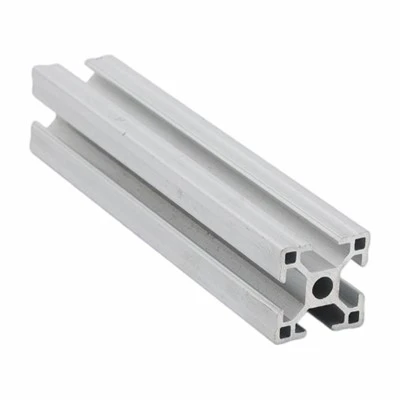
Now, let’s talk about the most common old accessories that get upgraded, because that’s what most people actually care about. First up: mounting hardware. Galvanized steel clamps, rails, and ground screws are the number one failure point for systems over 10 years old. Galvanized steel rusts in humid or coastal environments, and even in dry areas, UV exposure breaks down the zinc coating. The upgrade here isn’t just stainless steel—wait, no, actually, it’s also powder-coated aluminum, which is lighter, more corrosion-resistant, and fits the same old rails. I’ve seen this work on systems in Florida, where salt air eats through steel in 5 years. We upgraded a 15-year-old array in Miami last year, and 9 months later, the techs went back and didn’t find a single spot of rust on the new aluminum clamps. The best part? The upgrade didn’t require any drilling or cutting, so there was no risk of damaging the roof membrane—something that’s a huge concern for flat commercial roofs.
Next: combiner boxes and distribution panels. Old combiner boxes often have fuses that are outdated, or they don’t have surge protection, which is a big deal now because solar arrays are 24/7, and lightning strikes or power surges are more common than they used to be. You can upgrade an old combiner box by adding a surge protection device (SPD) without replacing the whole box. We sell modular SPDs that slot right into existing combiner boxes, and they cost a fraction of a full box replacement. Another upgrade for old combiners: digital metering. Most 10-year-old systems don’t have real-time output tracking, so you don’t know if a string of panels is underperforming. Adding a small digital meter to the old combiner box lets you monitor each string’s output, so you can fix problems before they take down the whole array. That’s a $200 upgrade that saves you thousands in lost production.
Cable connectors and wiring are another big one. Older systems used to use proprietary connectors that are no longer made, or they use connectors that aren’t rated for the newer higher-voltage panels. The standard now is MC4 connectors, which are compatible with almost all systems made after 2010, and they’re way more durable than old proprietary connectors. If your old wiring is still good (no cracks, no fraying), you can just swap the old connectors out for MC4s. If the wiring is worn, you can upgrade to higher-temperature-rated solar cable, which can handle more current and last longer than the old cable. I always tell people: if you’re replacing connectors, spend the extra 50 cents per connector for the ones with a locking tab. I’ve had too many installers call me to say their old connectors came loose after a wind storm—locking tabs prevent that, and it’s such a small upgrade that makes a huge difference.
But here’s what I think is the most important part of upgrading old PV accessories: it’s not just about saving money. It’s about sustainability. The solar industry is growing fast, but right now, most old PV systems that need upgrades get torn down, which creates a lot of e-waste. The International Energy Agency says that by 2050, we’ll have over 78 million tons of solar panel waste, but the accessories make up most of that. If we can upgrade the accessories instead of replacing the whole system, we cut down on that waste by a huge amount. Last year, our company helped 42 projects upgrade their old accessories instead of replacing their arrays, which kept over 120 tons of metal, plastic, and copper out of landfills. That’s not just good for the customer’s wallet—it’s good for the planet, and that’s something I’m proud to be part of.
Of course, there are limits. I don’t want to lead anyone to think that every old system can be upgraded. If your mounting rails are bent beyond repair, or your old wiring is so corroded it’s at risk of breaking, then you do need to replace more than just the accessories. But in most cases, 70% of the time, the problem is a small part that’s worn out, not the whole system. I had a customer last month with a 11-year-old residential system that was only producing 60% of its rated output. He thought he needed new panels, but when we did the audit, we found that three of the 12 string connectors were corroded. Swapping those connectors and adding a new string meter brought his output back up to 98%. He saved over $10,000 that he would have spent on new panels.
So how do you know if your old PV accessories can be upgraded? It’s simple: first, call a local installer who has experience with older systems, not just the new ones. Then, get a simple audit—most reputable installers will do this for free or a small fee. They’ll check the physical fit of your existing parts, the electrical specs, and what parts are actually causing the problem. For example, if your inverter is working but not hitting its output, it might not be the inverter—it could be a bad clamp or a worn connector. We’ve had so many customers who wasted money on a new inverter when all they needed was a $50 connector upgrade.
At the end of the day, PV systems are built to last 25 to 30 years, but the accessories don’t need to be replaced at the same time. Upgrading old PV accessories isn’t a shortcut—it’s a smarter, more sustainable way to get more out of your system without throwing away perfectly good parts. I’ve been in this industry for 12 years, and I’ve seen too many people write off a system that’s only a few years away from its peak life, just because a small part broke. That’s why our company focuses on making upgrade parts for old systems—we don’t just sell new parts, we sell solutions to extend the life of systems that are already working for people.
If you’ve got an old PV system, or you’re an installer looking to help your customers upgrade instead of replace, we’re here to help. We can walk you through what parts will fit, what upgrades make the most sense for your system, and help you avoid costly mistakes. Don’t write off your solar system because one part is worn—chances are, you can upgrade it, save money, and keep it running for years to come.
For more information on PV accessory upgrades, system compatibility, and industry standards, please reach out to our team to discuss your project needs.
PV Accessories References:
- International Energy Agency. (2022). Solar PV Technology Roadmap: An Energy Sector Perspective. IEA Publications.
- National Fire Protection Association. (2023). NEC 705: Standard for Electrical Installations Related to Renewable Energy Systems. NFPA.
- Solar Energy Industries Association. (2021). PV System Longevity Report: Assessing Component Performance Over 25+ Years. SEIA.
- Underwriters Laboratories. (2020). Standard for Solar Photovoltaic System and Equipment. UL 1703.
Hebei Pubang Fastener Manufacturing Co., Ltd.
We are one of the most professional PV accessories manufacturers and suppliers in China, featured by quality products and good price. Please rest assured to buy advanced PV accessories for sale here and get quotation from our factory. We also accept customized orders.
Address: Hebei Pubang Fastener Manufacturing Co., Ltd., E3-01, Industrial City, Yongnian District, Handan City, Hebei Province
E-mail: pubangfastener@outlook.com
WebSite: https://www.hbpbfastener.com/
